June 12, 2022

On the Border of Land and Sea

One of the things that I've been thinking about a lot lately is how the interplay between sea power and land power has shaped warfare over the last two centuries or so. The contrast between the situations in 1822, 1922 and 2022 is staggering, and as much as anything drove the different roles and structures of naval power at those times.
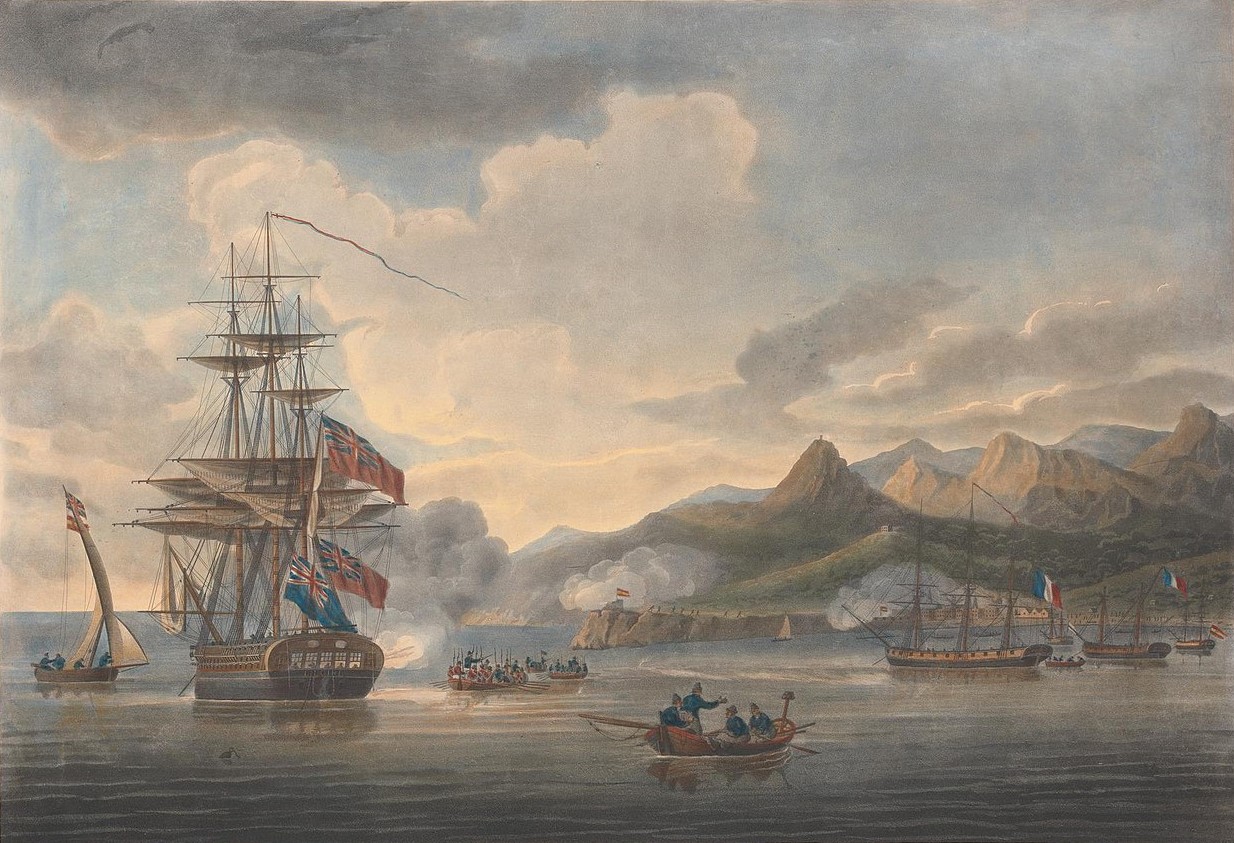
In 1822, the worlds of sea and land power were separate, as they had been for centuries. The only practical way to defeat a ship at sea was with another ship of equal or greater size,1 which in turn meant that a ship a few miles off even the most heavily defended port in the world could effectively blockade it. A few attempts had been made to test this, most notably Thomas Jefferson's plan to replace the USN's frigates with gunboats, which would defend the coast and not project power overseas, but they had failed completely. Read more...

June 10, 2022

Open Thread 106

It's time again for our regular open thread. Talk about whatever you want, so long as it isn't Culture War.

Apologies for how quiet it's been around here. I have several reviews coming up from the DSL meetup.

2018 overhauls are Jutland Parts two, three, four, five, six and seven, SYWTBAMN - Coast Guard Part 1, Ship History - New Jersey, my review of Alabama and Falklands Part 3. 2019 overhauls are Shells at Jutland, The Battle of Jutland, Battleship Aviation Part 3, A Brief History of the Submarine, Inky's Review of the Haifa Naval Museum and Falklands Part 15. 2020 overhauls are Jutland - The Blockade, Tomahawk Part 4, Coastal Defenses Part 3 and Soviet Battleships Part 2. 2021 overhauls are my review of Greyhound, Aviation at Jutland, Soviet SLBMs parts two and three and Coastal Defenses Part 7.

June 05, 2022

Miramar 2016

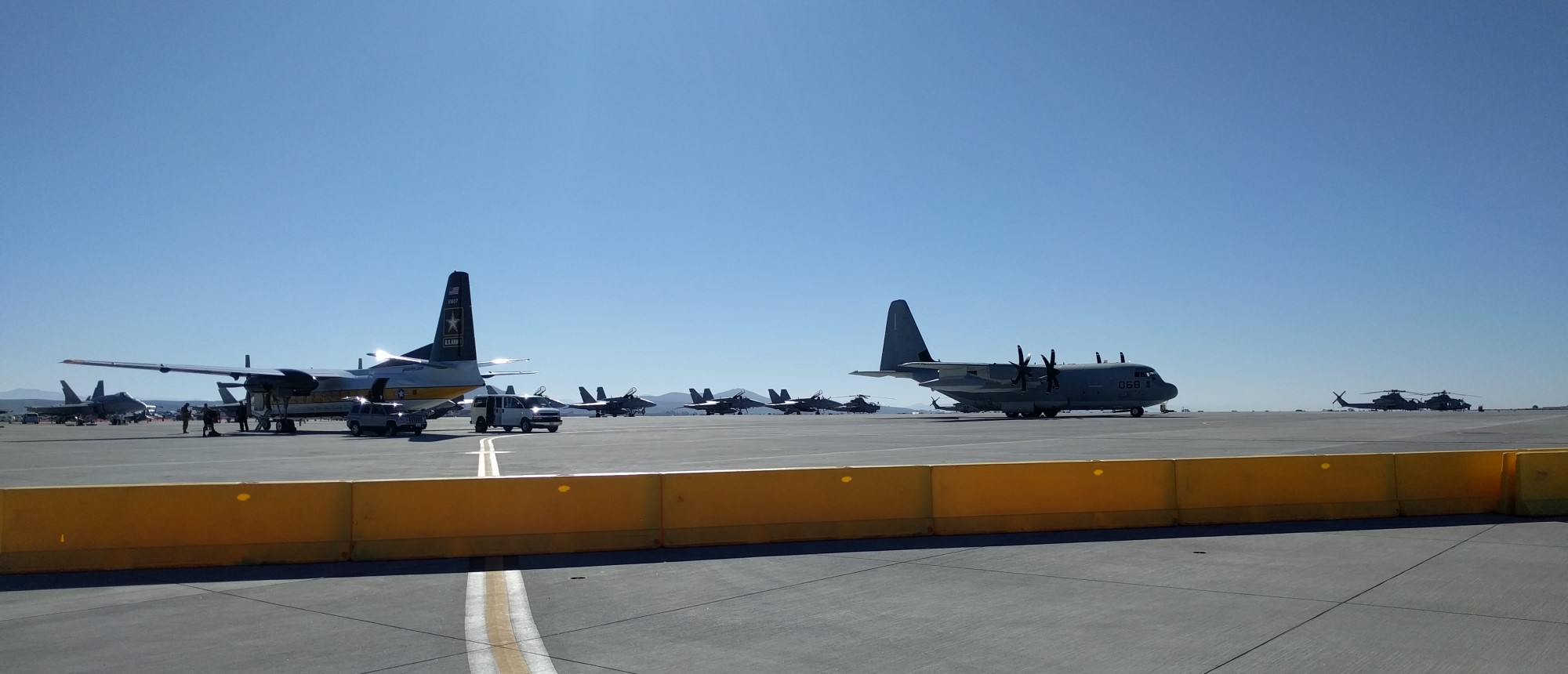
In 2016, I got to go to the Miramar Airshow, held at Marine Corps Air Station Miramar, near San Diego. It's the largest military airshow in the US, with the cream of the Marine Corps on display, along with contributions from the other services.


Planes waiting for the display as I drove in

As impressive as the air displays are, probably the best thing about Miramar is the stuff on display behind the flight line. About three of everything the Marine Corps and Navy have is laid out for people to look at and go inside. The sheer scale of the show area and the number of things to look at (not just planes, either) keeps the lines manageable, at least so long as you're not terribly picky.Read more...

May 31, 2022

Codebreaking and Jutland

Before WWI, both the British and German navies expected that the war's early days would see a massive clash of their fleets, a "New Trafalgar" that would decide control of the sea at a stroke. This was not to be, as the Germans, eager to avoid a battle with the stronger British fleet, stuck close to their bases in coastal waters that the British avoided due to the threat of mines, submarines and torpedoes. The only way for the two sides to meet was if one of them knew in advance where the other would be, and the British, thanks to the capture of German codebooks early in the war, had set up an organization to intercept and decode German signals, and it was this organization, Room 40, that would trigger the Battle of Jutland.


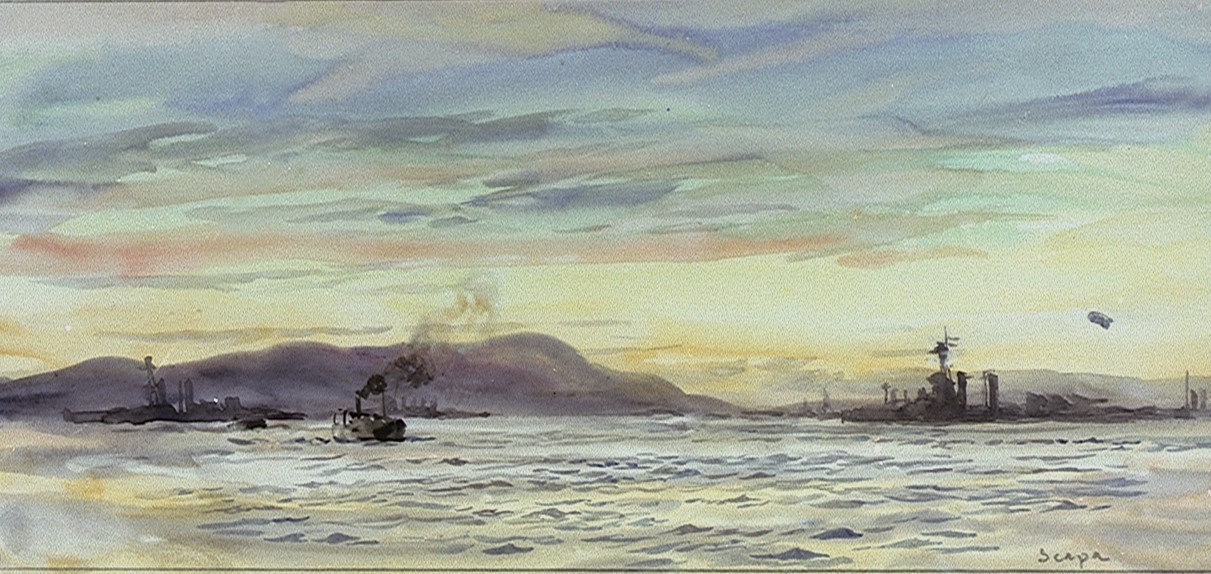
British battleships in Scapa Flow

Signs of what was to come began to accumulate in mid-May, as the Germans dispatched 18 U-boats to lie off British bases in hopes of catching the Grand Fleet as it sortied. The Germans, unconcerned with the threat of British interception, coordinated the sortie, including the U-boats themselves and the minesweepers necessary to get them to sea, via radio. But none of them headed for the trade routes bringing vital supplies to Britain, giving Room 40 a clear sign that something was afoot. Read more...

May 27, 2022

Open Thread 105

It's time for our regular open thread. Talk about whatever you want, so long as it isn't culture war.

First, there will be no post Sunday. It will be going up on Tuesday instead, because Jutland.

Second, I will be at the DSL meetup in San Jose, and plan to visit Hornet next Sunday (6/5). If anyone else wants to go, I'd love to have company.

Third, I am contemplating a "bad military history" bingo card. Topics on the list so far include the Magniot Line, Pearl Harbor and the demise of the battleship, Hampton Roads, Polish cavalry charging panzers, the guns at Singapore not pointing inland, and stupidity of WWI generals. But I'm still short, so any suggestions will be welcome.

The free space will be "talking excitedly about things that have happened before". See the ATGM and anti-ship missile discussions about Ukraine.

2018 overhauls are There Seems To Be Something Wrong With Our Bloody Ships Today, Millennium Challenge 2002, Auxiliaries Part 1, Falklands Part 2, The New Maginot Line and Jutland Part 1. 2019 overhauls are Battleship Aviation Parts one and two, Pictures - My First Museum Ships, the Falklands Glossary, the Montana class and SYWTBAMN-Aviation Part 4. 2020 overhauls are FFG(X) and Tomahawk parts one, two and three. 2021 overhauls are NWAS Poseidon, The Future of the Aircraft Carrier, Directors and Soviet Battleships Part 3.

May 23, 2022

Don't Overread Moskva

Currently topping The Atlantic's "Most Popular" list is an article claiming "A Whole Age of Warfare Sank With the Moskva". Unfortunately, it bungles the history involved completely, to the point that you get an emergency Naval Gazing.

The author begins by talking about the Battle of Hampton Roads, ending the section "In one day, every wooden ship of the line of every naval power became immediately obsolete." This is clear nonsense. Hampton Roads gets a lot of press because it was the first clash between ironclads, but it was clear that the ironclad was on its way. Britain and France had both begun to build fleets of proper ironclad battleships (and not just coastal vessels like Monitor and Virginia) and events at Sinop and Kinburn had shown both the vulnerability of wooden warships and the durability of the ironclads. But we don't talk about Crimea, so that's all overlooked. Read more...

May 22, 2022

Sound in the Ocean

The oceans are notoriously opaque, providing the submarine with a strong veil of stealth. The only thing that oceans don't effectively block is sound, which is transmitted more effectively through water than it is through air. As a result, sonar remains the main method of detecting submarines, either in active form, producing sound that bounces off the target and is reflected back, or in passive form, listening for noise from the target. But sound doesn't travel through the ocean in a straightforward way, and as sonar has grown more sophisticated, its operators have had to contend with effects that either attenuate the sound, drown it out or bend it in surprising ways.


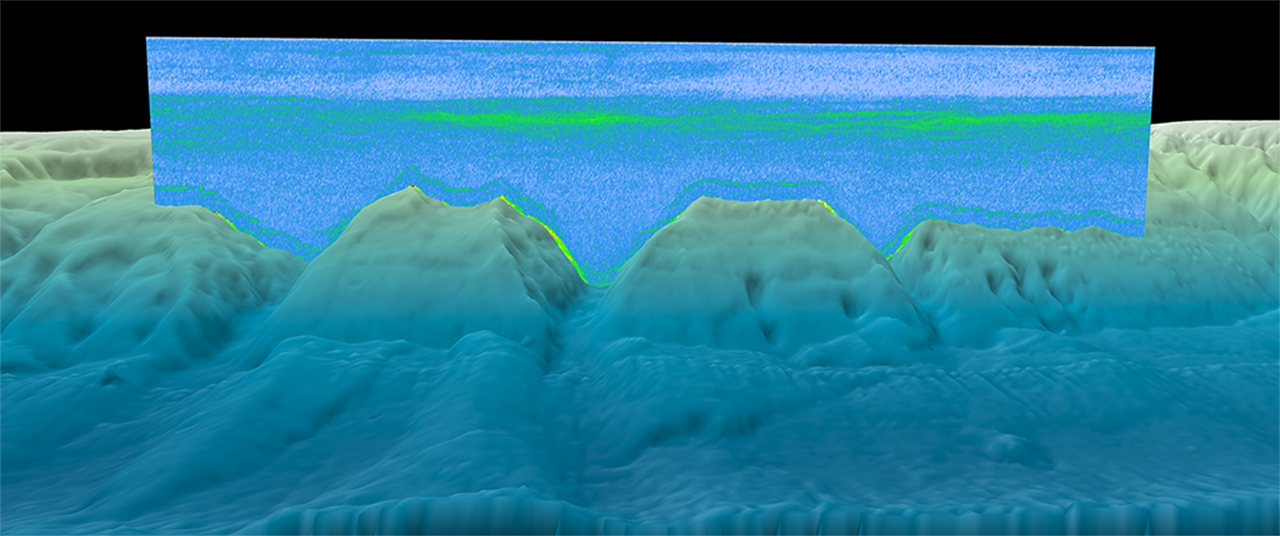
The Deep Scattering Layer (green) on a sonar scan

Attenuation can come from a number of sources. Obviously, the intensity of a sound weakens as it spreads out from its source, and in an infinite ocean, this would follow the inverse square law. In practice, it's often lower than this, thanks to effects discussed later, but the ocean doesn't transmit sound perfectly. Some is absorbed and turned into heat, a process that occurs more strongly at higher frequency. Some is scattered when it runs into discontinuities, which can be the surface and bottom of the sea or solid objects in the ocean, usually marine life. Most notable is the deep scattering layer, composed of deep-sea fish and the plankton they feed on that tend to cluster a thousand feet or so below the surface. Scattering is a particular problem for active sonar, as the reverberations from the surface/bottom/creatures can make it hard to pick up the actual return. Read more...

May 15, 2022

Room 40 Part 1

British successes against German ciphers in WWII are reasonably well-known, but far less known was the work done by their predecessors during the First World War against German naval ciphers. This group, known as Room 40 after the room it was assigned at the Admiralty, started from nothing at the beginning of the war and thanks to a combination of skill and an unreasonable amount of luck, soon played a vital role in the war at sea.


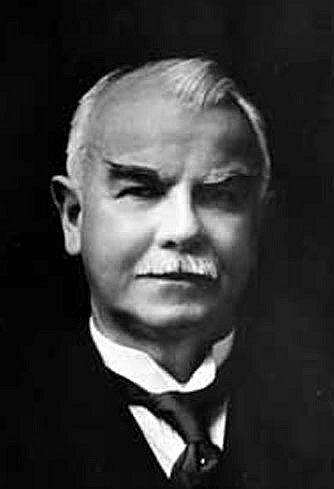
Alfred Ewing

When war broke out, the Admiralty acted quickly to cut the undersea cables linking Germany to the rest of the world, forcing Germany to rely on interceptable radio messages. But no organization was in place to intercept said radio messages, and the British were forced to rely on a combination of amateur radio operators, the Post Office and the Marconi Company for this function. Nor was analysis in any better shape, and the task of setting up an organization fell to physicist Alfred Ewing, the Director of Naval Education. He, with the help of various professors from the Royal Naval Colleges, began to set up a team to deal with the flood of traffic. Read more...

May 12, 2022

Open Thread 104

It's time for our regular open thread. Talk about whatever you want, so long as it isn't culture war.

It's been a slow two weeks on the book, which currently stands at 88,000 words. I am interested in getting another reader or two to look over the draft, so email me if you're interested.

2018 overhauls are SYWTBAMN Strategy Parts one and two, Main Guns Part 4, my review of Midway, Russian Battleships Part 3, Falklands Part 1 and the Super-Dreadnoughts. 2019 overhauls are Shells Parts three and four, my review of Fort Sill, Spanish-American War Part 4, Pictures - Mikasa Part 1 and Falklands Part 14. 2020 overhauls are Coastal Defenses Part 2, Oil Tankers, the Navy UFO Incident and Nuclear Weapons at Sea - Heavy Attack. 2021 overhauls are Naval Airships Part 6 and all three parts on the Littoral Combat Ship.

May 08, 2022

The Germans Strike Back

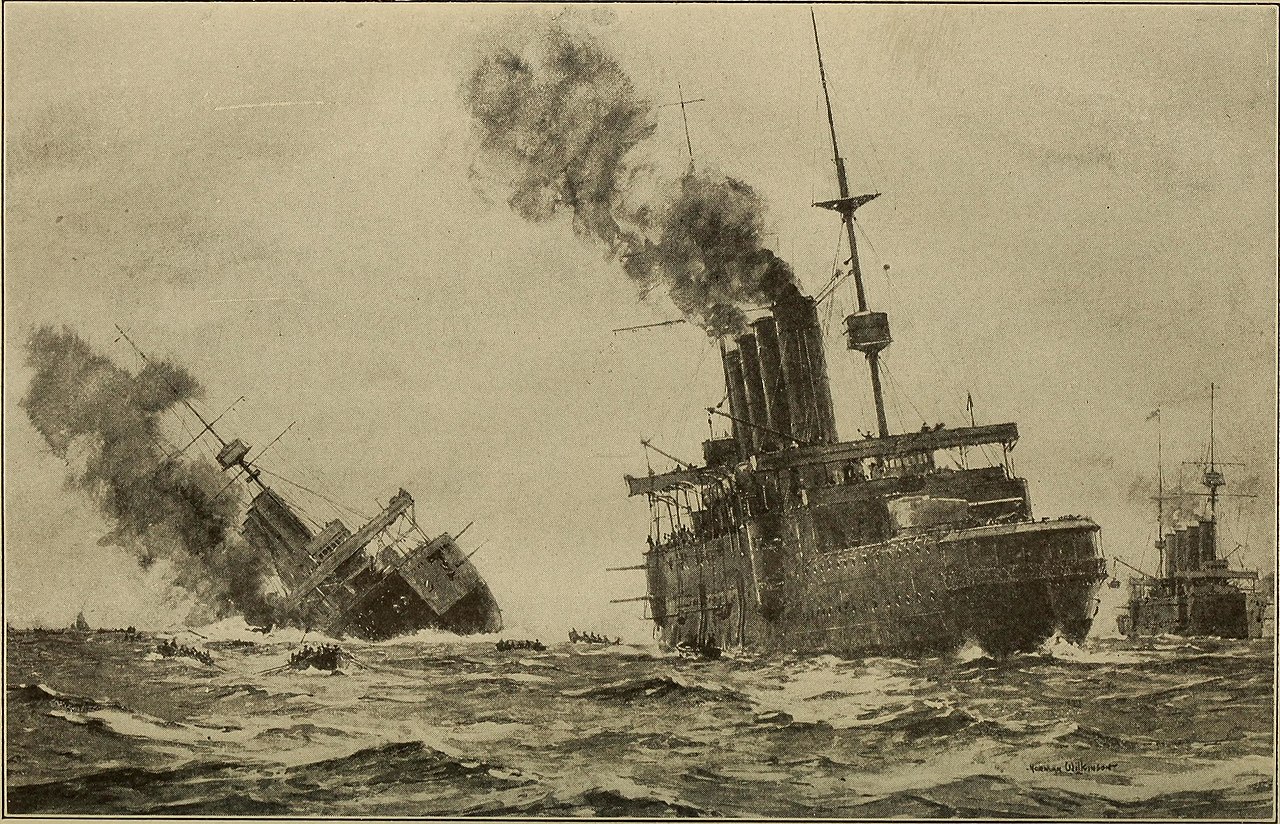
In the aftermath of the British victory at Heligoland Bight, the Kaiser chose to keep the High Seas Fleet immobile, relying instead on submarines. These first struck on September 22nd, when U-9 came across three obsolescent British armored cruisers on patrol off the Dutch coast, Aboukir, Hogue and Cressy. These ships, part of what was known as the the "Live Bait Squadron", were moving at relatively low speed when Aboukir was torpedoed. Hogue and Cressy hove to to recover survivors, but they were swiftly torpedoed in turn. All told, only 837 of the 2,296 men aboard the three cruisers survived, and the British swiftly withdrew anything bigger than a light cruiser from the waters near Germany.


Aboukir sinking

Even this wasn't enough, as the primitive submarines of 1914 could reach across the North Sea, as demonstrated when U-9 added armored cruiser Hawke to her score on October 15th. Jellicoe became increasingly concerned with the security of the Grand Fleet's base at Scapa Flow, and began to keep his ships at sea as much as possible. This quickly wore out ships and men and forced them to spend a lot of time coaling, so he decided to withdraw to Lough Swilly in Ireland. But while this was enough to deal with the submarine threat, the Germans had other weapons they could make use of. Read more...