
In many ways, Jutland was both the first major naval battle shaped by the development of aviation and the last one unaffected by it. Aviation considerations shaped the time and place of the battle, but despite efforts by both sides, aircraft made no impact on a tactical level. As such, it's worth taking a closer look at the aviation operations surrounding the battle.
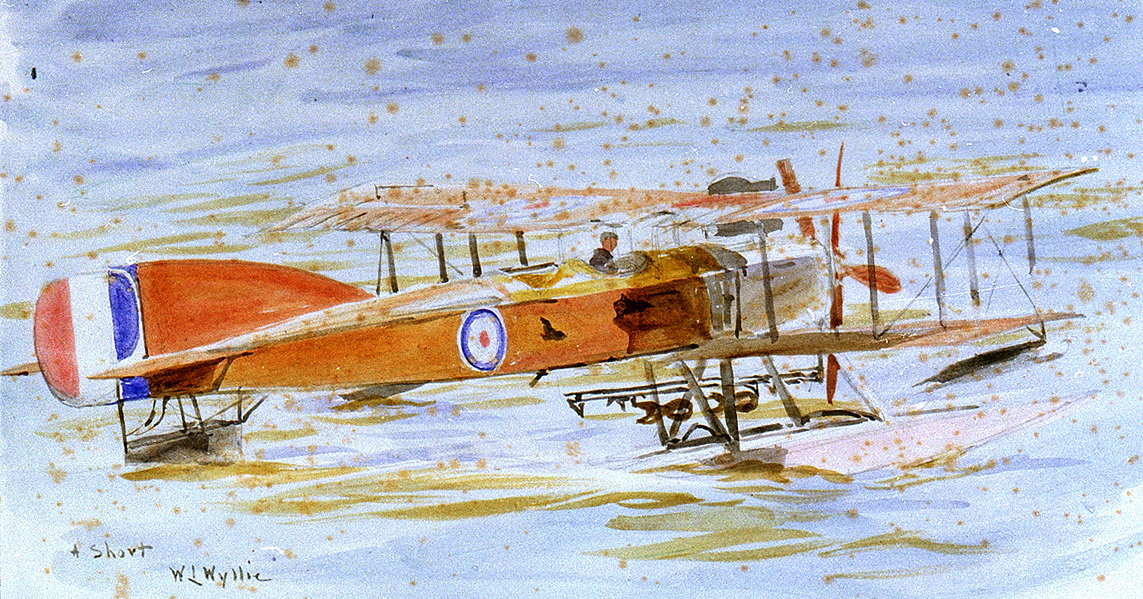
By 1916, the Germans had at least the first inklings of a doctrine for the use of the Zeppelins in support of the fleet, and they formed an important part of Scheer's plans in May. As part of his attritional campaign against the British, he would use a raid on Sunderland, in northeastern England, to draw the British fleet past his U-boats, hopefully costing them some ships. Even better would be a chance to catch a detachment of the fleet by itself and defeat it in detail. Zeppelins offered a platform capable of making sure that the High Seas Fleet didn't blunder into the entirety of Jellicoe's force. Unfortunately, by the time his ships were ready to sortie, southwest winds1 meant that the Zeppelins couldn't participate. Scheer chose to abandon the Sunderland plan and instead send his force to sweep the area around the Skaggerak, the strait separating Denmark and Norway. The British, aware of the German sortie thanks to good intelligence work, sent Beatty and Jellicoe to intercept. Read more...

Recent Comments