Today, the Communist Party of the People's Republic of China controls the world's second most powerful navy. A quarter-century ago, it was essentially a coastal-defense force, focused on keeping China's maritime frontiers safe from outside interference. Today, it is a true blue-water force with global capabilities, and it continues to develop into a true rival for the US Navy. This progress has been the deliberate result of strategic choices to emphasize Chinese maritime power in the face of increasing reliance on the oceans for trade and resources, as well as concern about Taiwan and the threat of US naval power. Now, it is focused on operations past the "first island chain", stretching from Japan to Taiwan, the Philippines and Indonesia.
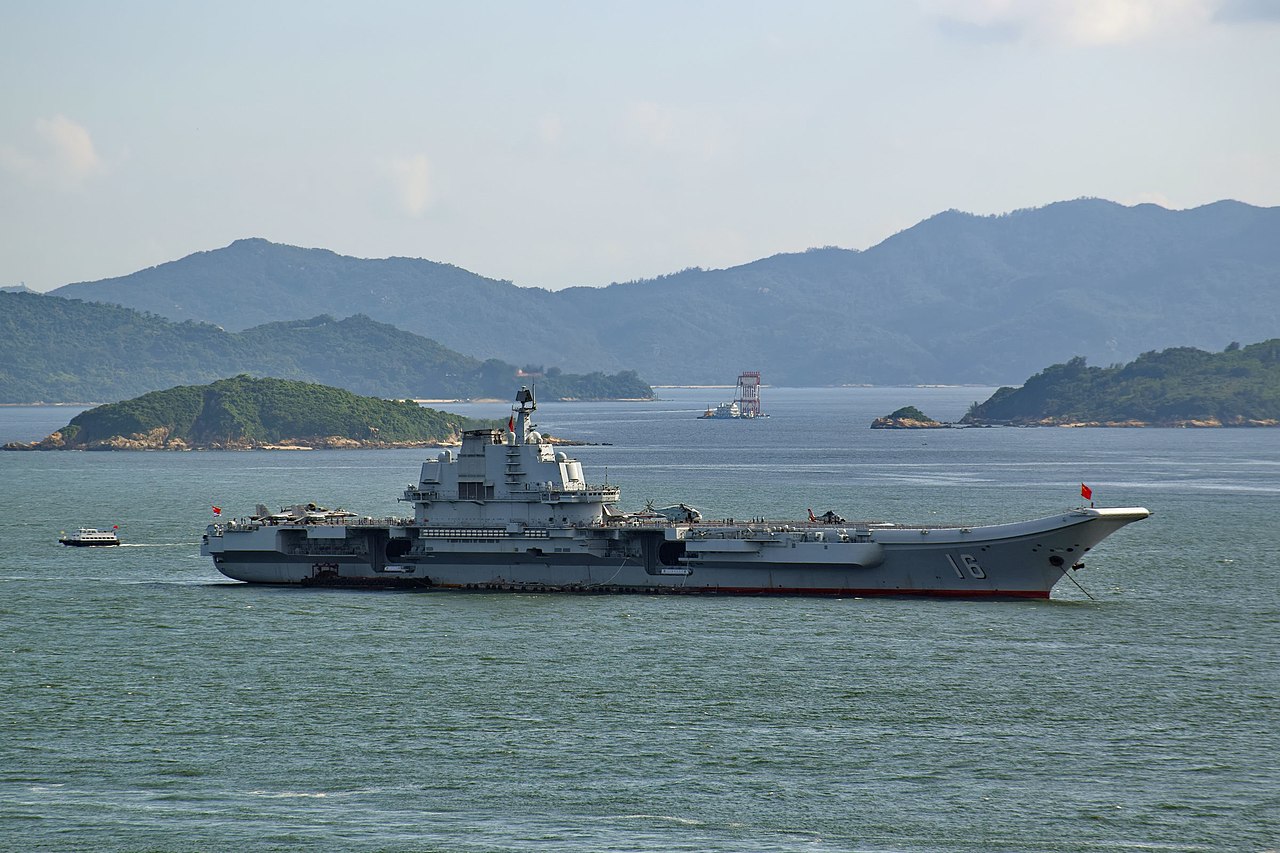
Liaoning, symbol of China's new naval power
Serious operations past the first island chain began in the mid-90s, when the People's Liberation Army Navy began annual visits to other countries, including a 1997 cruise to Hawaii, San Diego, and Latin America. Over the next decade, the tempo of deployments increased, and Chinese ships showed the flag on every continent except Antarctica. But the real sea change took place in 2008, when China joined the UN-sponsored antipiracy patrols off Somalia. Since then, they have kept two surface combatants and a replenishment ship continually deployed, and the mission has served as a crash course in the lessons necessary to operate as a true blue-water navy. Issues faced and overcome ranged from logistics and personnel issues to communications and command structures to the heat and sand of the Gulf of Aden. Today, these deployments usually involve about 4 months of antipiracy duties, followed by two months of port visits and exercises with other navies.
Read more...

Recent Comments