
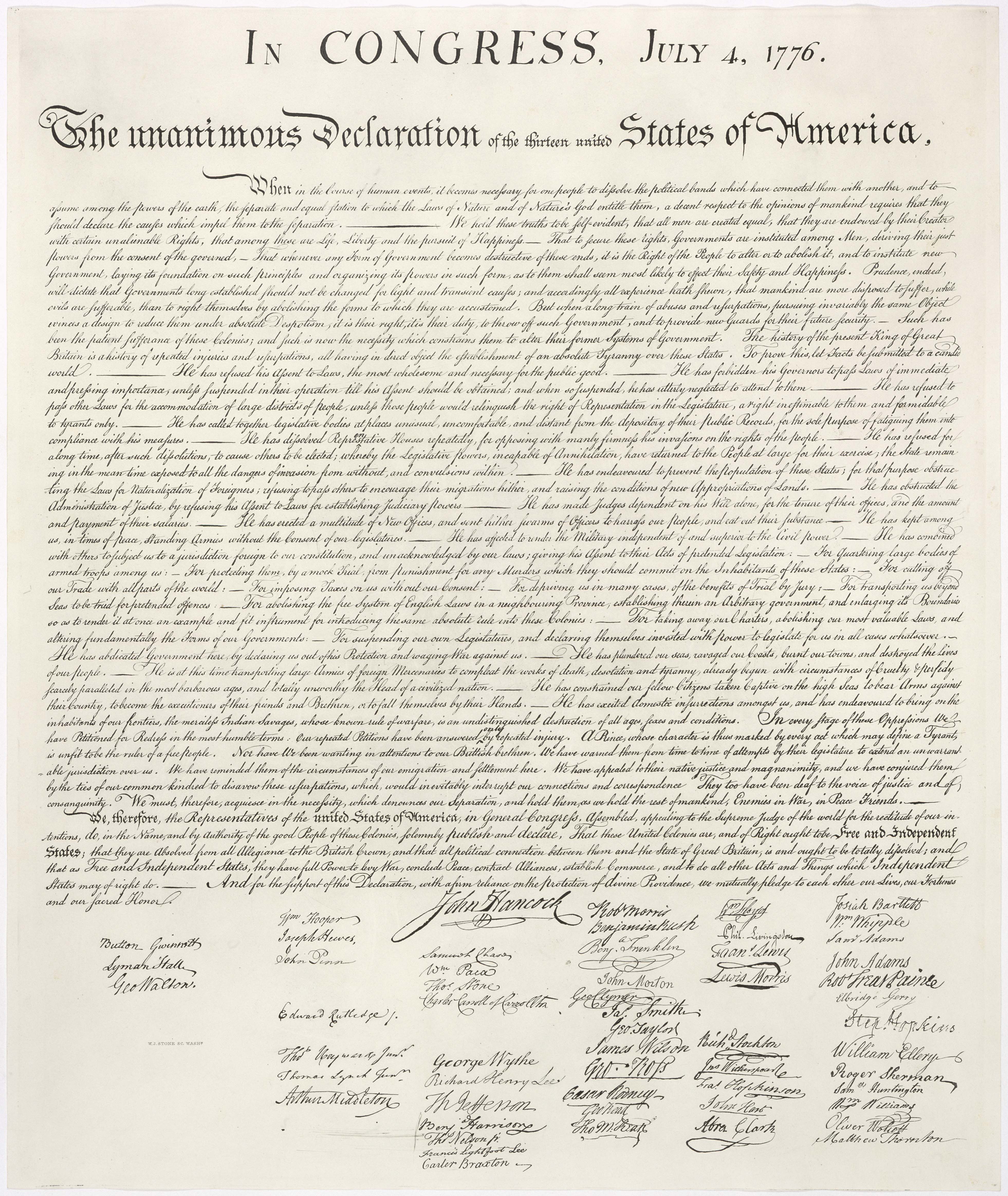
"For depriving us in many cases, of the benefits of Trial by Jury:"
This line from the Declaration of Independence, which we have just celebrated the 250th anniversary of, comes from the practice of trying certain cases relating to navigation, smuggling and the Stamp Act of 1765 in Vice-Admiralty Courts. These operated under a completely different legal system from that of the standard Common Law, and as you can guess from the quote, didn't have juries. From the perspective of actually getting the law enforced, this made a great deal of sense. In the nascent United States, the Stamp Act was wildly unpopular, as it imposed taxes on various kinds of goods to support British troops stationed in North America after the Seven Years War. Local juries would simply refuse to convict even obvious violations, so the Vice-Admiralty courts where judges from England could deliver verdicts directly were the obvious place to turn. And also an obvious instrument of repressive tyranny that fully justified the Revolution.
But how did it get to the point that there was this entirely separate system of laws that the British could turn to when they needed to bypass local juries? The idea of there being a separate Admiralty law, common among nations, is so old that nobody is quite sure how old it is. Nineteenth-century legal scholars often traced its origins to a code dating to 900 BC on the island of Rhodes, although there's not a ton of evidence that there was a coherent law code dating back quite that far. However, we do have references to a "Rhodian law" in a Roman law text from the third century AD, the idea that if some part of a vessel's cargo has to be jettisoned in an emergency, the loss will be shared among everyone who had cargo aboard. Astonishingly, this principle, known as General Average, continues to be part of maritime law today.
Even as the Roman Empire collapsed and the Mediterranean littoral fragmented, the law of trade and shipping remained surprisingly unified, with specialized courts set up by merchants operating in many ports and attempting to enforce judgements based on what was customary among merchants in the area. Whoever was running the port was generally content to let the merchants deal with their own disputes, at least so long as they paid their taxes, producing a genuinely international set of laws. This principle extended as maritime trade began to flourish in the waters of Northwestern Europe in the late Middle Ages, an important source being the Rolls of Oleron, traditionally ascribed to Eleanor of Aquitaine. In practice, she was probably not personally involved in regulation of the wine trade, but despite this, they became the basis of maritime law in every country in the area, and continue to form part of the foundation of the field to this day.
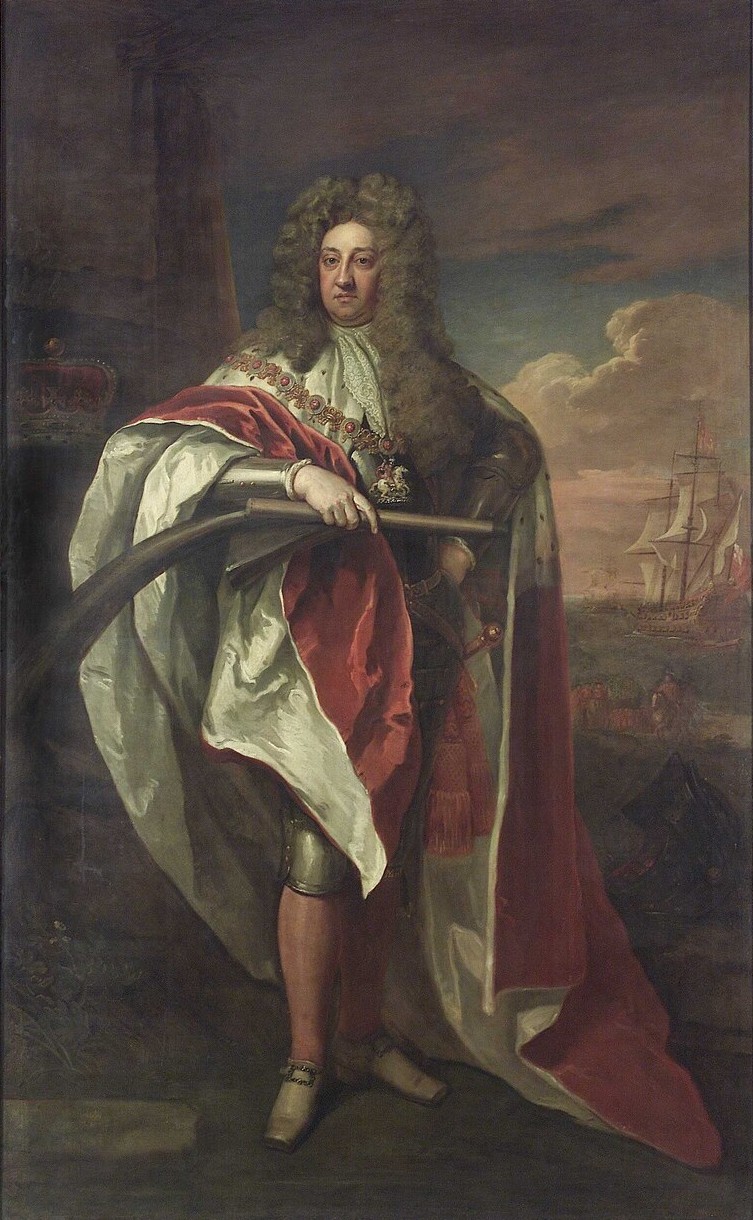
The Lord High Admiral
In England, maritime law came under the jurisdiction of the Lord High Admiral, the senior naval official of the country, and thus became known as Admiralty Law. But it was still an attempt to implement the international law being developed, and thus moved in step with developments in the rest of Europe, where Roman-inspired Civil Law used judges to deliver verdicts without the need for a jury. This caused obvious tension between the admiralty courts and the rest of the country, and in 1389, Parliament limited admiralty jurisdiction by statute to "a thing done upon the sea" to stop those courts intruding into land-based matters. Other courts interpreted this extremely narrowly, claiming that a contract for shipping signed on land was not "a thing done upon the sea". This more or less moved the traditional "law merchant" functions of the admiralty courts to the common-law courts, and limited them to dealing with prizes, salvage, seaman's wages and similar matters. As a result, the Admiralty courts in England1 shrank as a specialized branch, and eventually ended up combined, rather oddly, with the Probate and Divorce division of the High Court.2 Today, the only remaining dedicated admiralty court is that for the Cinque Ports, a truly baffling English oddity that looks to be entirely ceremonial today.
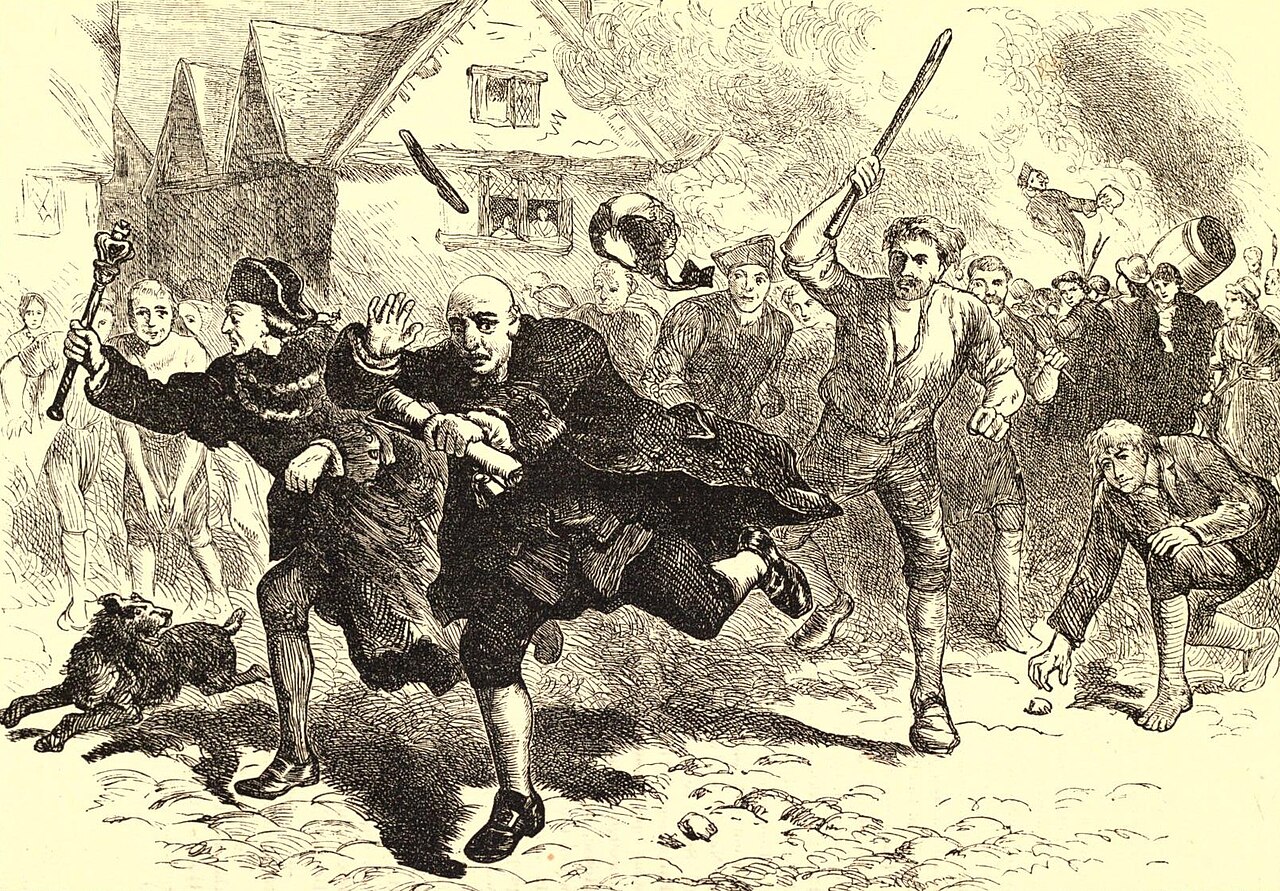
Americans deal with oppressive British officials
With the growth of Britain's North American colonies, it was obvious that admiralty courts would need to follow, and by 1763, there were nine Vice-Admiralty courts throughout the colonies, unbounded by the statute that limited their English counterparts. But they were never particularly popular, as they were the chief enforcers of British trade policy. Some of this was clearly absurd, like the belief that the colonists should pay taxes on imported goods, while in other cases, there were genuine abuses, such as when naval officers realized they could line their pockets by requesting papers from small coastal trading vessels that Parliament hadn't intended to include in the requirements for stricter documentation, then sending them to be condemned by the admiralty courts. In normal courts, the use of a jury would temper the implementation of London's policy, but that obviously wasn't the case in the admiralty courts.3 Things were made worse when the Stamp Act of 1765 deliberately gave jurisdiction over cases, which were not particularly maritime-related, to the admiralty courts. There was actually some basis for this. Britain had specialized courts for everything, including cases involving revenue, but there was no Court of Exchequer in America,4 and given colonial feelings, the admiralty courts were much more likely to actually enforce the law.
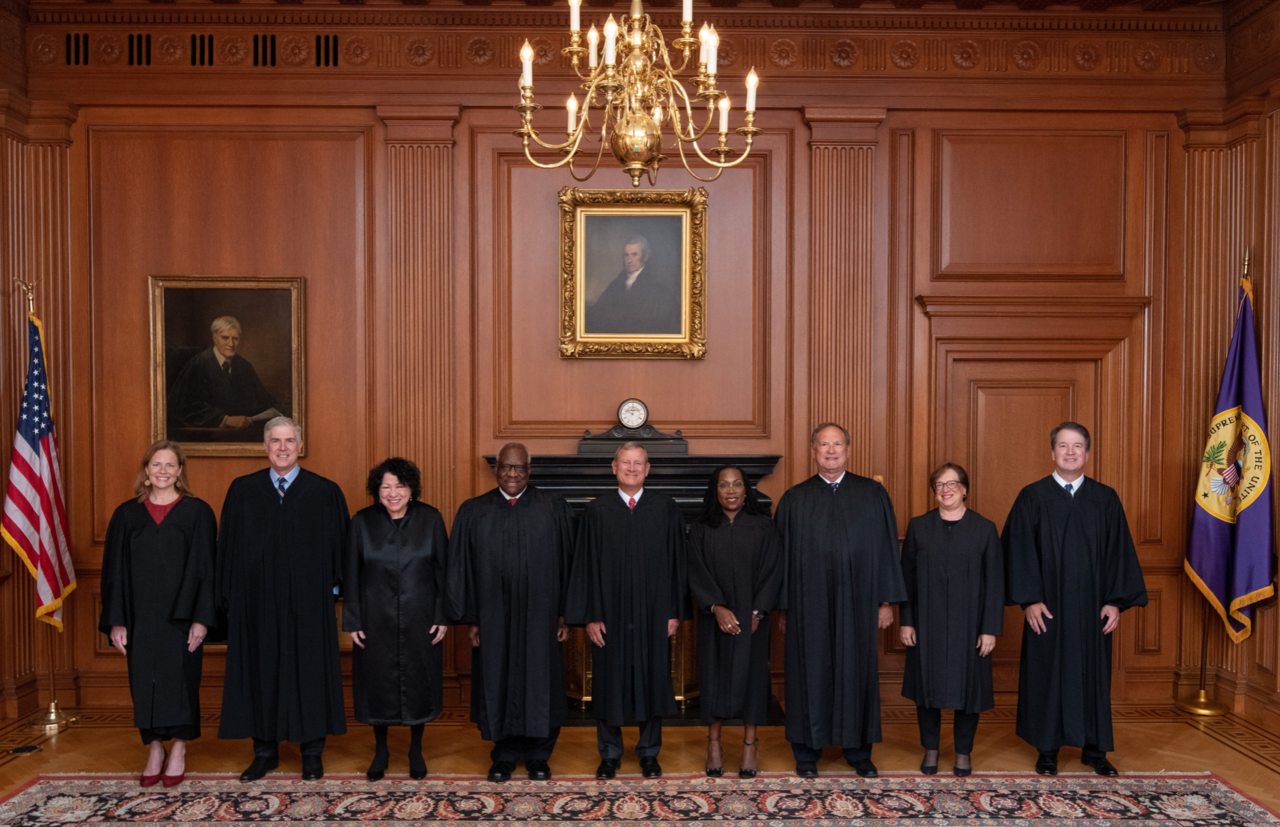
The highest admiralty court, 2022
The tension continued until the outbreak of open hostilities in 1775, when the Americans suddenly realized that they might need admiralty courts of their own if they wanted to be able to seize British ships as prizes without being considered pirates under international law. Massachusetts was among the first to set up such a court, although their version used a jury, at least for a few years, before it was decided that admiralty law was simply too complicated for "good and lawful men". Things were made even more complicated a few years later, when the Articles of Confederation assigned some parts of admiralty law, most notably dealing with prizes, to the Continental Congress. After those failed, the Constitution adopted in 1787 fully gave admiralty jurisdiction to the new Federal government, and it has become part of the normal powers of the Federal court system. In some areas, it forms a significant portion of the docket, but it's really only of interest to specialists and weirdos with absurd theories about the meaning of a fringe on a flag.
1 This also applied later, and with slightly different details, to Wales, Scotland and Northern Ireland. And probably also the Channel Islands and the Isle of Man, but none of my sources specifically had anything to say about them. ⇑
2 Actually, this is slightly less odd than it sounds. Traditionally, personal property and divorce were the responsibility of the church courts, and even after it became part of the normal court system, it remained heavily influenced by civil law, with judges acting without juries. ⇑
3 This isn't to say that the vice-admiralty courts were always perfect instruments of the oppressor's will. In Rhode Island in the 1760s, for instance, the judge and prosecutor were both natives, and frustrated attempts by the customs collector to enforce the laws. ⇑
4 Though it is worth pointing out that this was a common-law court with juries. ⇑
Recent Comments