March 28, 2018

So You Want to Build a Battleship - Design Part 1

Last time we looked at the strategic reasons why nations bought battleships. This time, we'll begin looking at how each nation translated the desire to buy battleships into the actual specifications for the ship.
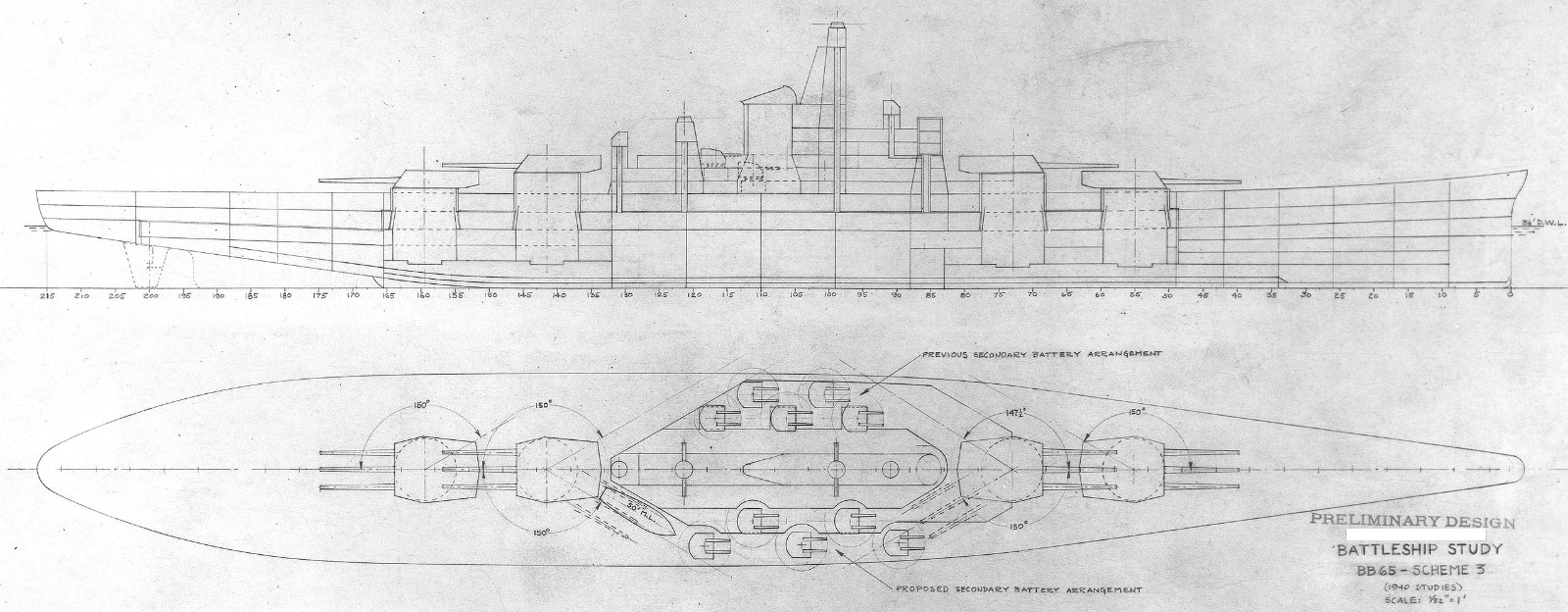

An early drawing of the Montana class

Every navy had a board of some sort that was responsible for setting the characteristics of new ships, usually composed of Admirals on the verge of retirement. The USN General Board, responsible for American ship characteristics from 1909 to 1950, is probably the best-known example. This board would begin by issuing a set of "Staff Requirements", the broad outline of what they wanted on the next battleship. In most cases, this is basically a request for upgrades to the previous class of battleships, although if that was long enough ago, or if there is reason for a radical departure from previous practice, it might be done from scratch.
Read more...

March 25, 2018

Anti-Submarine Warfare - WWI

While there were a few submarines used before the First World War, most notably Hunley, the real tale of the war against the submarine didn't begin until the outbreak of that war.


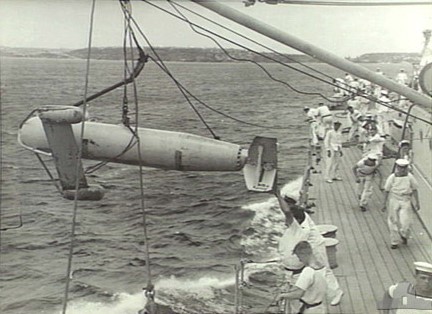
A paravane being hoisted out1

In 1914, nobody was really sure how to attack a submerged submarine, or even how to reliably detect one. Submarines were detected by lookouts and attacked on the surface with guns, or if they had just submerged, by ramming. The initial British plan involved the use of explosive paravanes, closely related to those used for minesweeping. These were not particularly effective, and navies began to look for alternatives. One that was used extensively was the naval mine, from small fields off enemy bases to the massive North Sea Mine Barrage. Various types of nets were tried to detect submarines passing checkpoints, none of which worked particularly well. Even weirder and more useless were the various hand-thrown weapons that the British issued to their sailors.

Read more...

March 23, 2018

Why do we need so many ships?

The following came out of an SSC conversation with Le Maistre Chat. I've rewritten both sides to make it flow better, but I've done my best to preserve the core of the discussion.


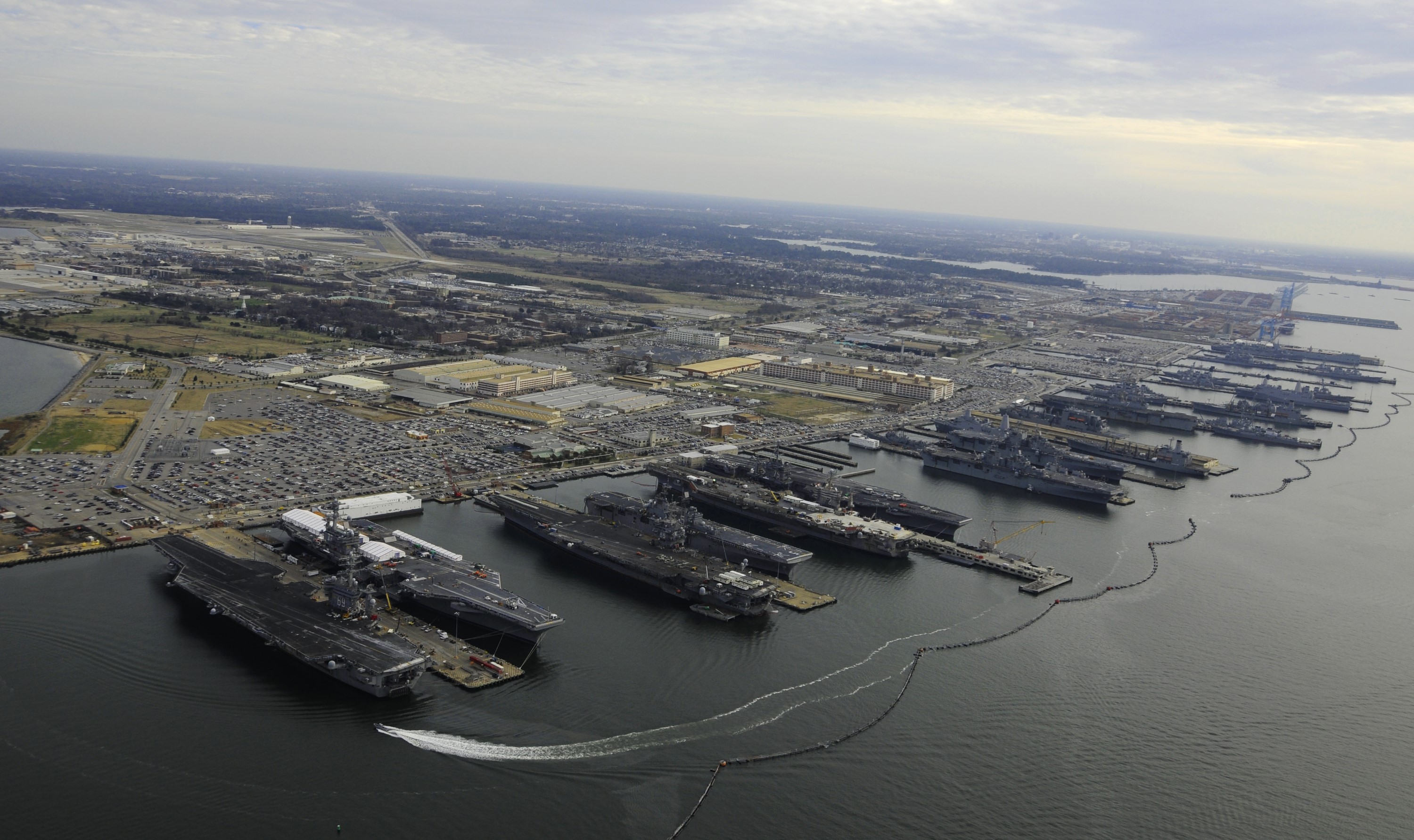
Five carriers and other ships moored at Norfolk Naval Base (click for larger version)

Le Maistre Chat: Explain to me why the Navy needs as many ships as the next 17 powers combined when the British Empire maintained hegemony of the seas with a 2-power standard. I’ll start decommissioning while you talk.

bean: I'd better talk fast then. There's two major aspects to it.

Read more...

March 21, 2018

The Early Battlecruisers

The battlecruiser is perhaps the most misunderstood and maligned warship in history. Conventional wisdom states that they were the result of Jackie Fisher’s bizarre belief that “speed is armor” and that they were ultimately a mistake, as evidenced by the loss of three at Jutland and Hood'⁣s death against Bismarck⁣. In fact, the term battlecruiser applies to at least three different types of ship, which filled critical roles in the fleets of a century ago.


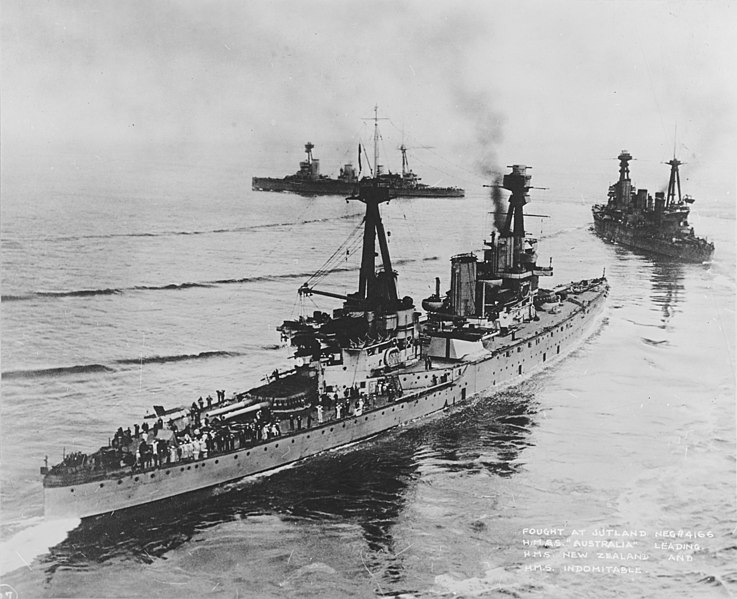
The battlecruisers Australia, New Zealand and Indomitable

The battlecrusier has its origins in the large armored cruisers of the late 19th century. These were approximately the same size as contemporary battleships, trading guns and armor for speed and range. They were intended for trade protection, commerce raiding or working with the battlefleet, depending on doctrine. Krupp armor allowed them be armored effectively against 6″ QF guns, even occasionally matching contemporary battleships, which meant that they were often proposed as a fast wing of the battlefleet. Their armament bore this out. They had a few guns of 8″-10″, and an armament of 6″ QF guns nearly equal to that of contemporary battleships.2 The US Navy, after the Spanish-American war, built 10 large armored cruisers and gave them state names, a convention reserved by law for battleships, in recognition of their status and importance. The Royal Navy agreed, classifying those ships as battleships instead of cruisers. It was generally recognized that the armored cruiser and battleship would eventually merge into a fast capital ship.3

Read more...

March 20, 2018

Jutland: The Magazine

My brother (who is a graphic designer) and I were talking yesterday about the possibility of putting Naval Gazing in print, and came up with the idea of reissuing the Jutland series as a sort of magazine/booklet. I'd write a new column or two, go over the old stuff and update it, and most importantly, he'd add pictures and do maps for it. We expect the result to be $10-15, at least within the US. Is there any interest in this? (If this goes through, I still plan to repost the original Jutland columns here in late May/early June, with less editing, a few pictures, and no maps.)

March 18, 2018

A Day on the America Part 2

Last time I talked about how I got a chance to ride the amphibious assault ship USS America from San Diego to San Pedro as part of LA Fleet Week 2016. I decided to split the post, due to length. (I took a lot of pictures.) When I left off, I had just gotten kicked off the flight deck, as they were about to start bringing planes aboard.

In the hangar deck, the ship's security detachment was showing off some of their guns. Unfortunately, I didn't get any pictures, but I did get to handle one of their shotguns, an M9, an M14 and an M16. They all felt pretty much like I expected, and I remembered the M16 manual well enough to run the controls. One of the more interesting observations was that the guy I was with (another Iowa volunteer) and I clearly had gun safety training, while the contingent of potential recruits we were next to clearly did not. It was enough to make one a bit nervous. I was also disappointed that I didn't get to handle the M240 machine gun they had out.

A little bit later, we watched from the hangar as a contingent of airplanes were flown aboard to be displayed during Fleet Week.


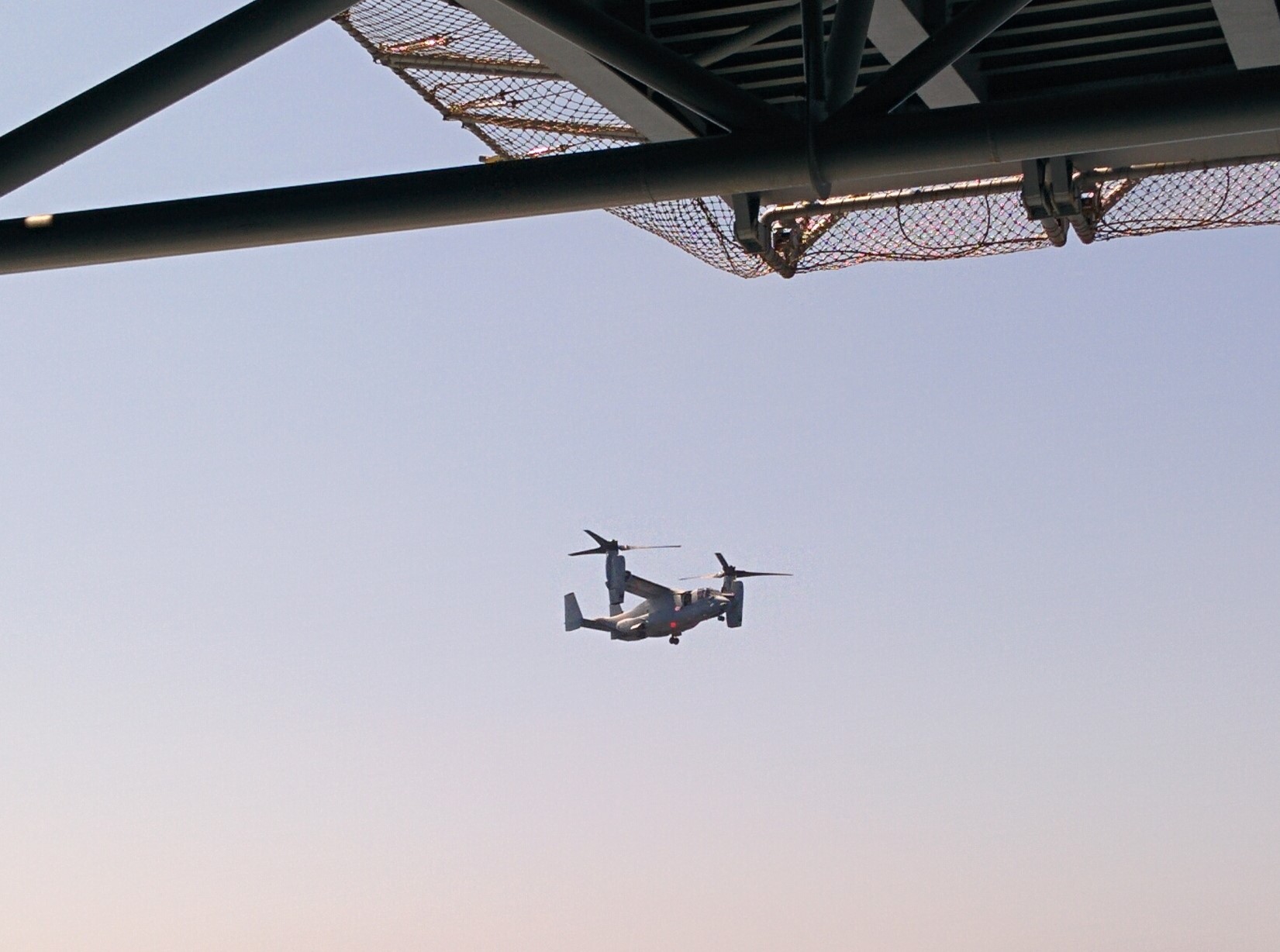
A V-22 Osprey landing aboard4

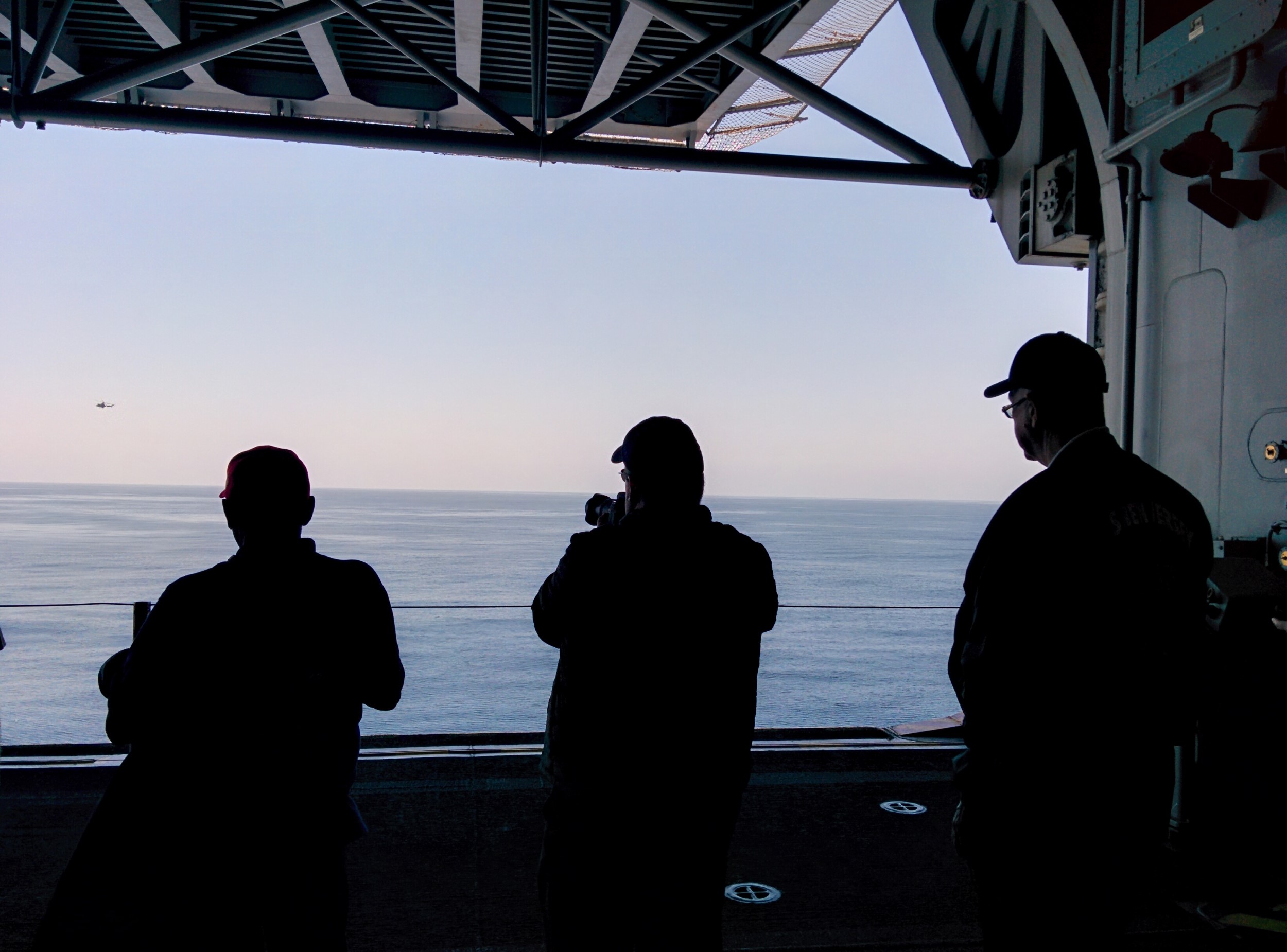
Watching air operations from the elevator well of the hangar

Read more...

March 16, 2018

Thoughts on Tour Guiding

This post was written in April of 2017, while I was still an active tour guide on the Iowa. I've left it intact, as it remained accurate up to the time I left, and I didn't want to mess with tenses or the like.


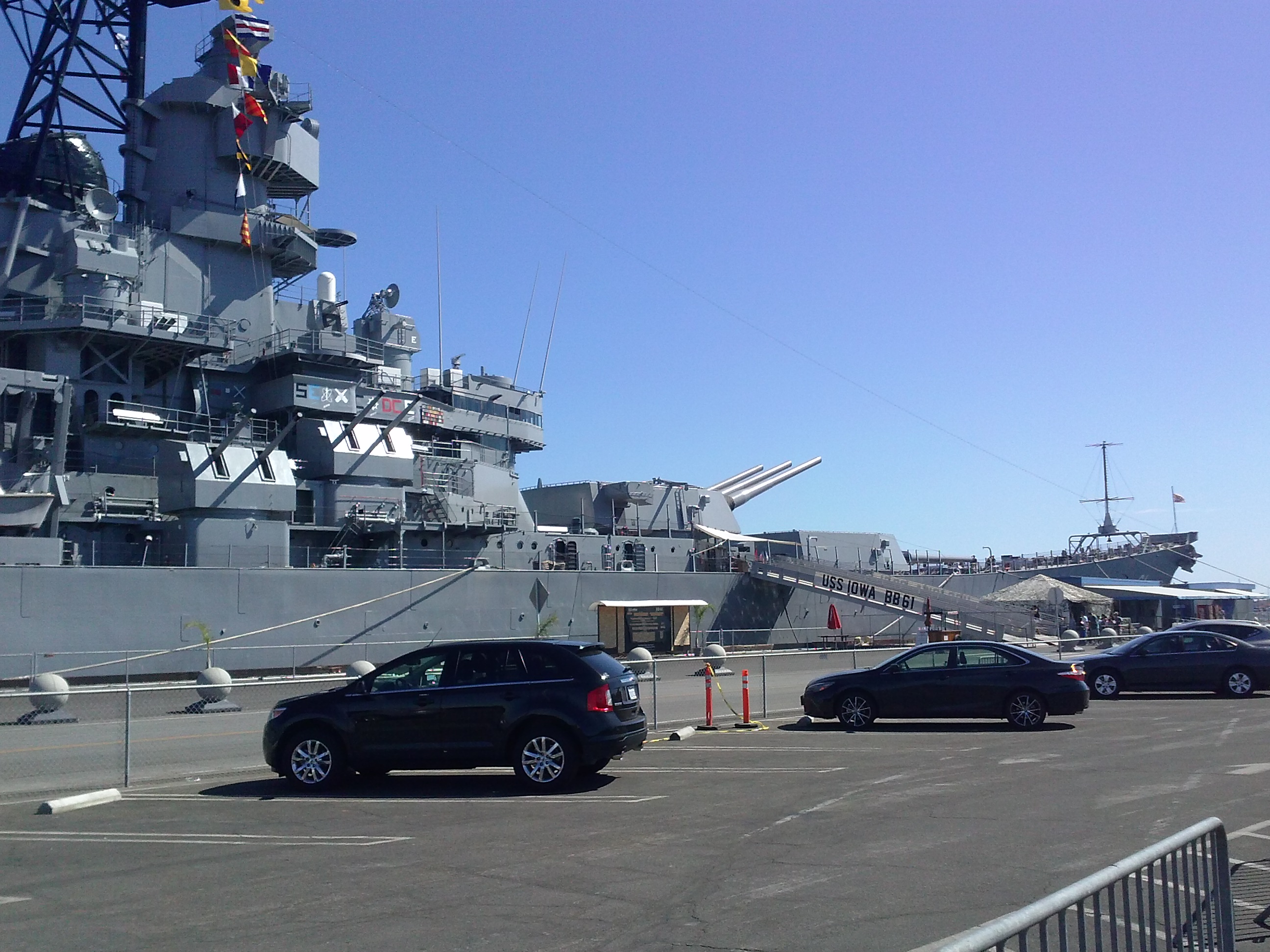
My first look at Iowa

This time, I’m going to do something that takes no research at all. Instead of talking about battleships, I’m going to discuss my experience as a tour guide.

I started volunteering because, on my first visit to the ship, all the really interesting bits had ‘authorized access only’ signs on them. I asked how I could get authorized, and was told to volunteer. I picked Tours over Operations because I figured it aligned more with my current skills, and I’m really glad I did. Telling people about the ship is so much fun. That’s also why I’ve been doing the battleship columns here.

Read more...

March 14, 2018

A Day on the America Part 1

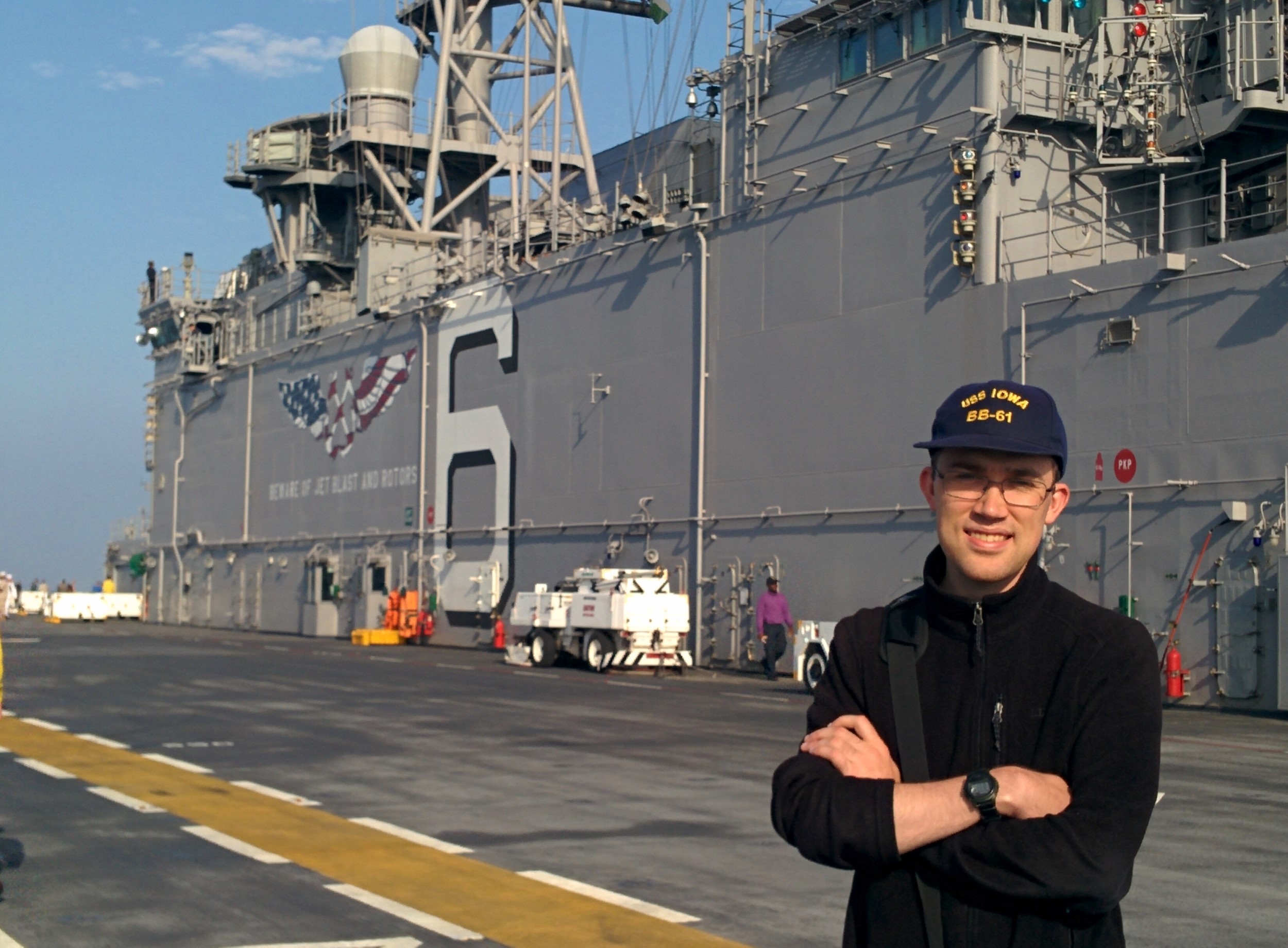
In my first year as a volunteer on the Iowa, I got a once in a lifetime opportunity. Iowa was serving as the host for LA Fleet Week 2016, and had gotten about 15 tickets for people to ride up on the ships coming from San Diego. Fortunately, I managed to get one, and I got to spend 9 hours aboard the amphibious ship USS America (LHA-6). It was one of the most memorable days of my life. I've alluded to it before, but somehow never got around to telling the whole story. It's going to be mostly pictures, of which I took a lot.


Me on the flight deck of America5

Tuesday, August 30th began about 0215. I had to be at Iowa at 0300 to catch the bus to meet the America. Going down was the contingent from the battleship, a bunch of assorted bigwigs from various Fleet Week organizations, some people the Navy was trying to woo, and some Boy Scouts who had somehow gotten tickets. I tried to sleep, but couldn't.

Read more...

March 11, 2018

Amphibious Warfare Part 5

After World War II, militaries worldwide began a reevaluation of amphibious warfare. The development of the atomic bomb had in theory made the massed invasion fleets of WWII obsolete, and the search began for new ways of putting troops ashore, hampered by the strained finances of the postwar world. Of course, when war did come to Korea, traditional amphibious warfare came back one last time.


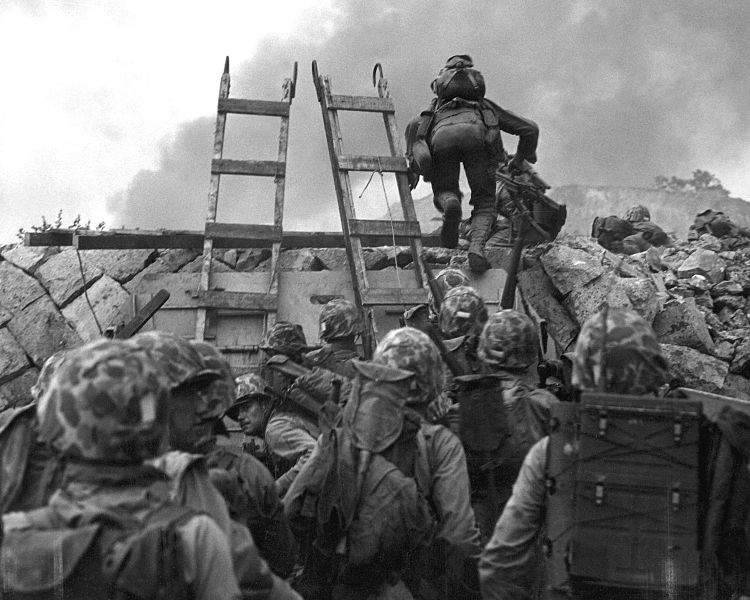
Marines crossing the sea wall at Inchon

When the North Koreans launched their drive south in June of 1950, they pushed the South Koreans, and the United Nations forces supporting them, into the Pusan Perimeter in the southern tip of the Korean Peninsula. As more UN forces reached the Far East in August, most expected Douglas MacArthur to push them back in a conventional offensive. Instead, he chose to launch an amphibious landing at Inchon, near the capital of Seoul and over 150 miles from the allied lines. This was an incredible gamble. MacArthur was committing limited forces in an environment with narrow, twisting channels, high sea walls, and the largest tidal range in Asia. However, he believed that the North Koreans would think it was too dangerous and not be expecting the landing.

Read more...

March 09, 2018

Military Procurement - Pricing

Military pricing is famously arcane, even compared to the rest of military procurement. It's much more difficult than you might think to figure out how much an airplane or a ship actually costs, particularly as there are several different ways to measure it, each of which have their own uses. This gives interested parties endless scope for twisting figures to suit their ends, although some knowledge can at least let you ask the right questions about the numbers they give you.


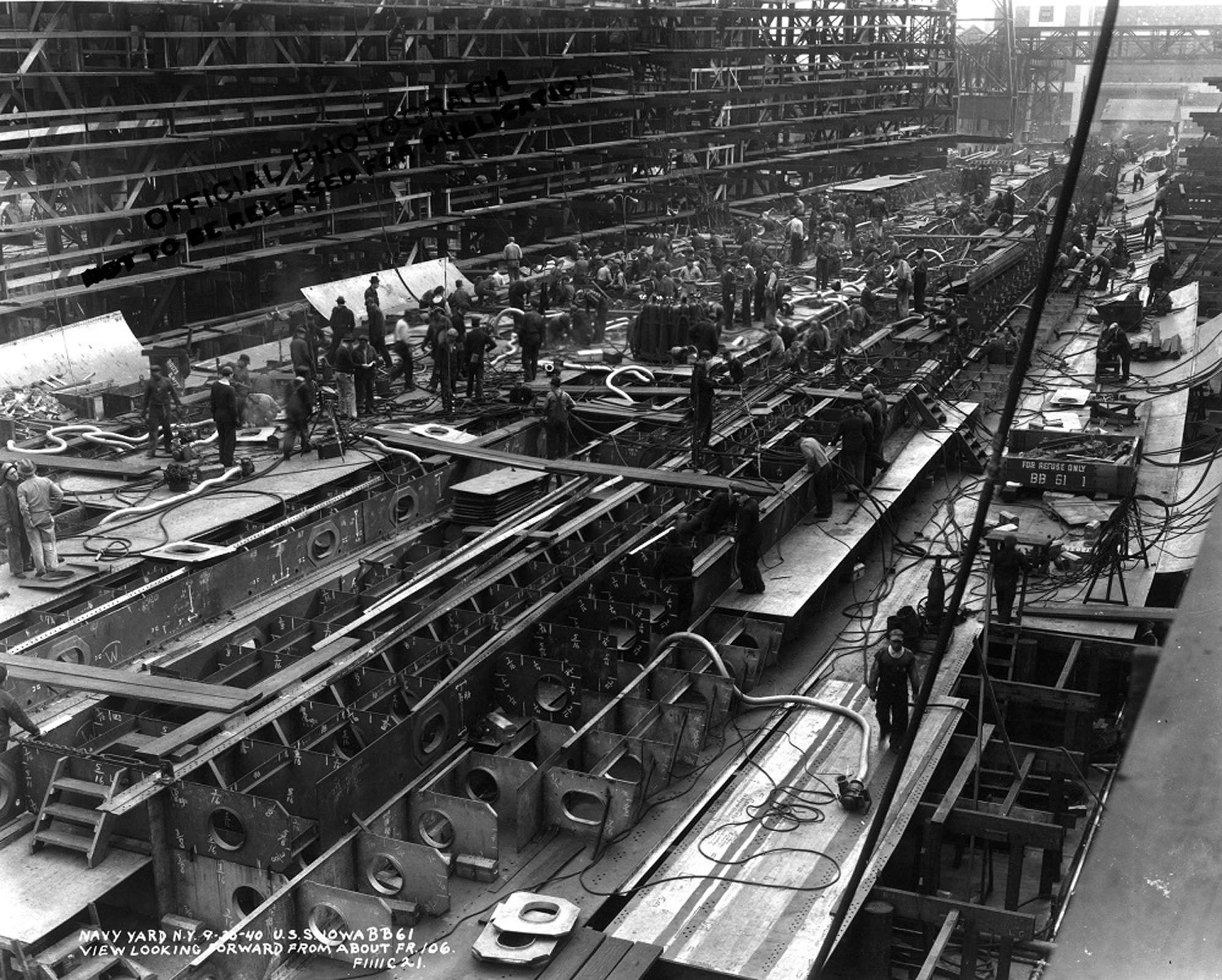
Iowa under construction

Figuring out how much a car costs is pretty straightforward. You look at the sticker price, or the price you paid for it. Major military hardware like tanks, planes and ships is different. It's produced in only limited quantities and involves a massive amount of research, development, and engineering before the first unit goes into service. Because of this, the companies that build it are rarely willing to do what auto makers do and take the risk of paying for the development themselves and recovering the cost from the units that they sell. What if they price it to recover the cost with 1,000 units and the customer suddenly decides to cut their buy in half? Now they're out a bunch of money, and the stockholders are unhappy. To avoid this problem, development is paid for by the customer separately from procurement of each item. Well, more or less. The actual answer varies with each particular system, accounting method, and time of the month. But in general, costs break down that way.

Read more...