And now we come to the last full chapter of the European War, a naval account of the invasion of France. I quite enjoyed this chapter, probably because, unlike so many other chapters, none of it felt rushed. There was good coverage of everything from the strategic background to Overlord and Anvil/Dragoon (and yes, you might claim that it went on a bit too long dumping on Churchill's opposition to the second one, but I am absolutely here for dumping on Churchill's screwups like that) to the logistics of the invasion and the action on the beaches. I also like that the Southern France invasion wasn't shortchanged as it so often is in discussions of the European War. Normandy was undoubtedly important, but I'm not sure I've ever seen it undercovered in any history of WWII ever.
Beyond that, the only thing of particular interest in this chapter was Morison's point about the ways in which the different logistical situations of the Americans and British drove their approaches to planning. I had never quite put that together before, but it does make a lot of sense of why there was tension between the two sides over how much planning needed to happen and when.
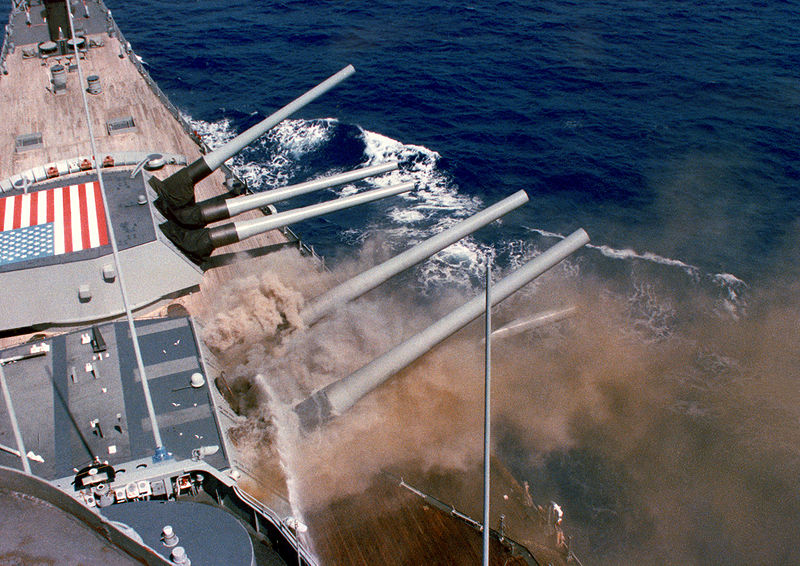
Also, a couple of brief notes. First, Arkansas was firing 12", not 14", and I also think Morison underrates how difficult the fighting was for some of the British troops on June 6th. But that's about it, although I am reminded that I should look more into the coastal gun battles during this period.


Recent Comments