December 17, 2017

Huascar Part 2

While Huascar was fighting the Esmeralda, another action was taking place off off Iquique. Another Peruvian ironclad, Independencia, had come with her, and had gone in pursuit of the Chilean Covadonga. This fight was, if anything, even more uneven than Huascar’s. Independencia was five times Covadonga’s size, armored, and three times faster.
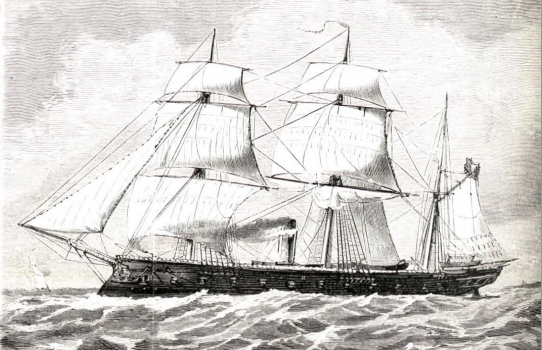

Independencia

Covadonga’s captain, Carlos Condell, handled her with skill equal to Prat’s. He stayed close inshore, using the fact that Covadonga drew considerably less water than Independencia to avoid the Peruvian ship. The fact that his gunnery was as good as Independenica’s was bad helped, too. Independencia tried to ram twice, both times taking careful soundings on the way in and aborting when the water grew too shallow. A third attempt occurred near Punta Gruesa, where Covadonga barely avoided grounding. Independenica’s helmsman was killed by a sharpshooter just as she touched the reef, and she ran hard aground. Covadonga rounded and poured fire into Independenica’s stern, setting her on fire. Read more...
December 15, 2017

The South American Dreadnought Race

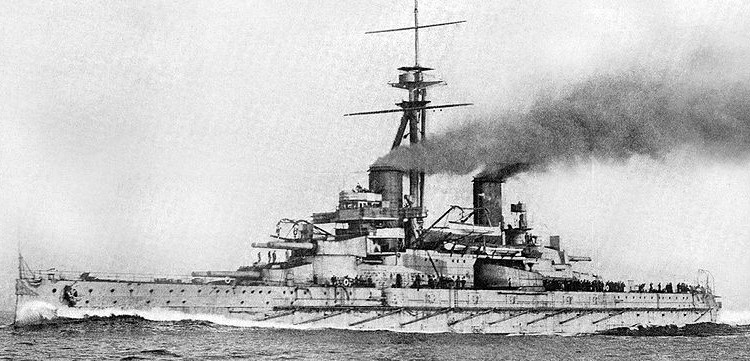
Most of the attention given to the dreadnoughts focuses on those of the major powers, Britain, the US, Germany, and Japan, with lesser attention on those of France, Italy, and Russia. But this is not the full story of the big-gun warship. Several smaller nations also bought them before World War I. The most prominent of these ships are those involved in the South American Dreadnought Race.


Minas Geraes in 1910, shortly after delivery

In 1907, flush with cash from a boom in rubber and coffee, and attempting to assert itself as a world power, Brazil ordered a pair of ships from British yards. These ships, the Minas Geraes class, were briefly the most powerful battleships in the world. Each ship had 12 12" guns, and a 10-gun broadside thanks to the unusual combination of wing and superfiring turrets. In response, Argentina and Chile both rushed to order dreadnoughts of their own.

Read more...

December 13, 2017

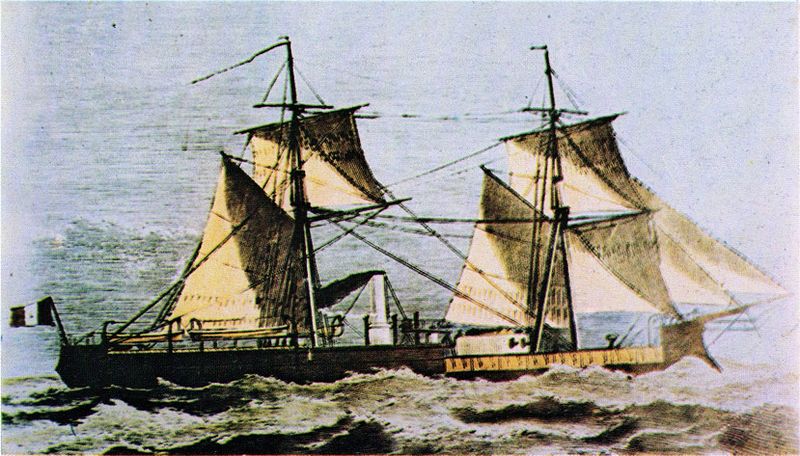
Huascar Part 1

The story of the ironclad in battle takes us next to the Pacific,1 and the monitor Huascar. Built by Laird Brothers of Birkenhead for Peru, she was commissioned in 1866, slightly too late for the war she'd been ordered to fight. 1,870 tons, 220 ft long, and mounting 2 10" guns in a single turret, she was a reasonably powerful vessel for the day, although she was essentially a coastal defense ship. The belt ranged from 2.5" to 4.5", and her maximum speed was 12 kts.


Huascar as completed

Read more...

December 11, 2017

Links 1 - Naval Engineering

Ran across a 2-part article, and thought I'd share it here. By a former Navy engineer, with lots of interesting bits on running a steam plant. Particularly valuable for his insights into reactivating old ships. I would quibble that there are still people who know how to run Iowa's plan and can make it down the ladder (I've done tours with a couple of them), but that's just nitpicking.

Part 1

Part 2

December 10, 2017

The Death of Repulse and Prince of Wales

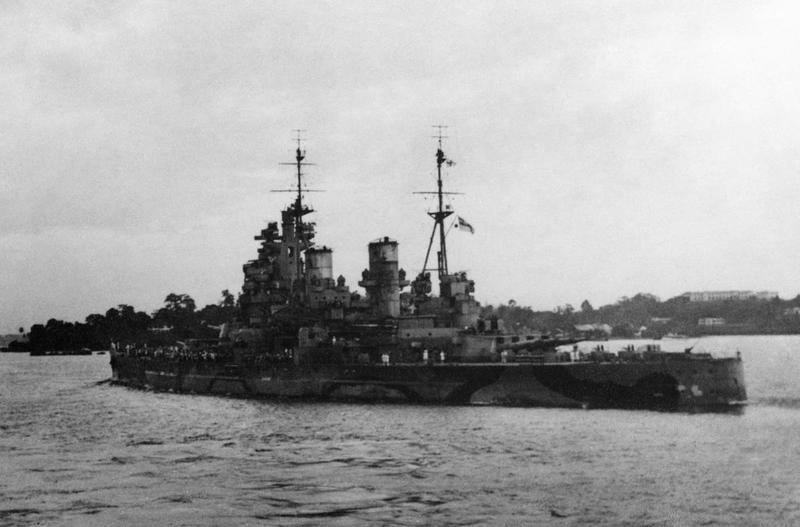
Today marks the 76th anniversary of one of the most important days in the demise of the battleship. While the Pearl Harbor attack gets much more attention, the sinking of Force Z, the battleship Prince of Wales and the battlecruiser Repulse, at the hands of the Japanese was in many ways more influential. Both Pearl Harbor, and Taranto before it, were made on ships that were at anchor and unaware of the attackers. Force Z was at sea and alerted to the possibility of attack, a condition that many believed would keep it safe.


Prince of Wales in Singapore Harbor

Repulse and Prince of Wales were dispatched to Singapore by Churchill in October of 1941 in an attempt to deter the Japanese from starting a war.2 The two ships entered Singapore with four destroyers3 on December 2nd. They were greeted with a blaze of publicity unusual during the war. Read more...

December 08, 2017

The Loss of HMS Victoria

As I’ve been talking a lot about ironclads lately, I’m going to discuss one of the weirder episodes of the Victorian Royal Navy. In that era, the most important force in the RN was the Mediterranean Fleet. It was tasked with defending the vital link between Britain and the Empire East of Suez from the French and Russians, Britain’s most probable adversaries in the event of war. The newest and best ships were sent there, as well as the ones with low freeboard, as the Mediterranean is considerably calmer than the Atlantic.


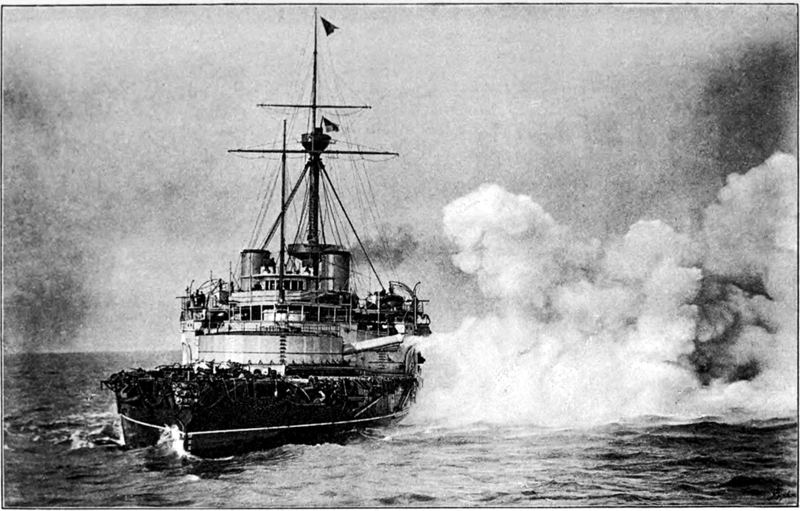
Victoria firing her guns

HMS Victoria was commissioned in 1890, one of the last classic turret ships built. She carried two 16.25” guns in a twin turret, the largest guns ever to arm a British battleship.4 The guns were not successful. Slow-firing and inaccurate, they could only fire about 75 rounds before needing to be replaced.5 Victoria was sent to the Mediterranean shortly after commissioning, and in 1893, she was still one of the most highly thought-of ships in the RN. Vice-Admiral Sir George Tryon, commanding the Mediterranean Fleet, chose her as his flagship. Read more...

December 07, 2017

A Date Which Will Live in Infamy

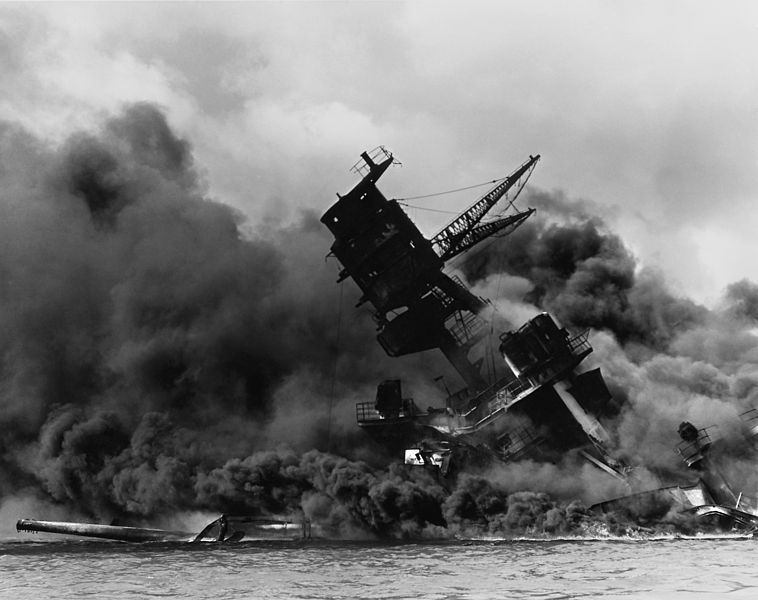
Mr. Vice President, Mr. Speaker, members of the Senate and the House of Representatives: Yesterday, December 7th, 1941 — a date which will live in infamy — the United States of America was suddenly and deliberately attacked by naval and air forces of the Empire of Japan.

The United States was at peace with that nation, and, at the solicitation of Japan, was still in conversation with its Government and its Emperor looking toward the maintenance of peace in the Pacific. Indeed, one hour after Japanese air squadrons had commenced bombing in the American island of Oahu, the Japanese Ambassador to the United States and his colleague delivered to our Secretary of State a formal reply to a recent American message. And while this reply stated that it seemed useless to continue the existing diplomatic negotiations, it contained no threat or hint of war or of armed attack.

Read more...

December 06, 2017

Ironclads

The history of the armored warship between 1860 and 1890 is very confusing, particularly due to the lack of consistent nomenclature. I've done what I can to simplify it, but this is going to be messy.6

The first armored warships were built during the Crimean War at the behest of Napoleon III. He wanted ten floating batteries to attack the Russian defenses in the Crimea and the Baltic, but French industry could only produce five. The British built the other five, although only the French ships went into action before the end of the war, taking part in the Battle of Kinburn, where three of them destroyed a Russian fort in a matter of hours with minimal casualties to themselves. They were slow and hard to maneuver, but gave British and French designers experience that would be valuable when they embarked on proper seagoing ironclads.7


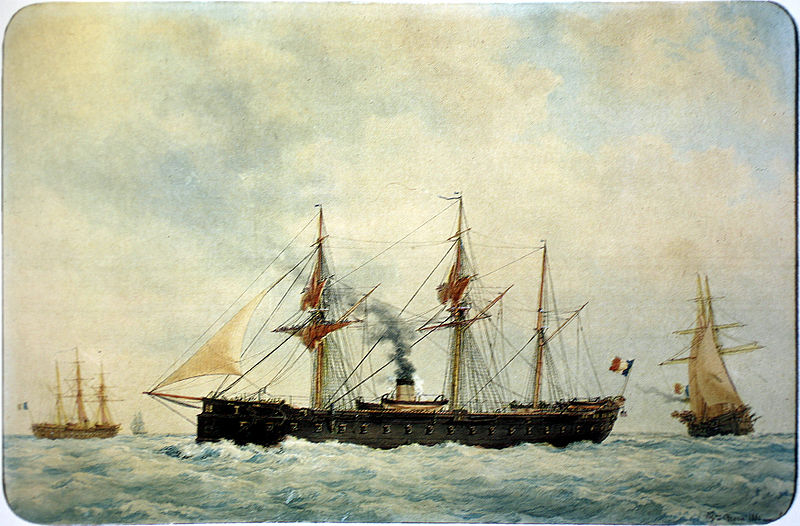
The French Ironclad Gloire

The first of these ships was the French ironclad Gloire, launched in 1859. She was wooden-hulled due to industrial limitations in France, and ultimately was a fairly conventional design.

Read more...

December 05, 2017

An Anniversary

Two years ago today was my first day as a tour guide on the Iowa. I ended up tagging along on a tour for a gentleman who'd served aboard during the Korean war, and got to see some of the behind-the-scenes parts of the ship. We tried to find his berthing compartment, but had no luck due to the changes made in the 80s. It was a cool first day.

That evening was the San Pedro Boat Parade. This gave me my chance to climb inside the aft port 5" mount. They were going to fire it that evening, and I was younger and more flexible than the rest of the gun crew, so I was asked to elevate the guns. The pointer seat was pretty tight, even for me. I'm amazed they got 14 people in the mount in service.

Read more...

December 03, 2017

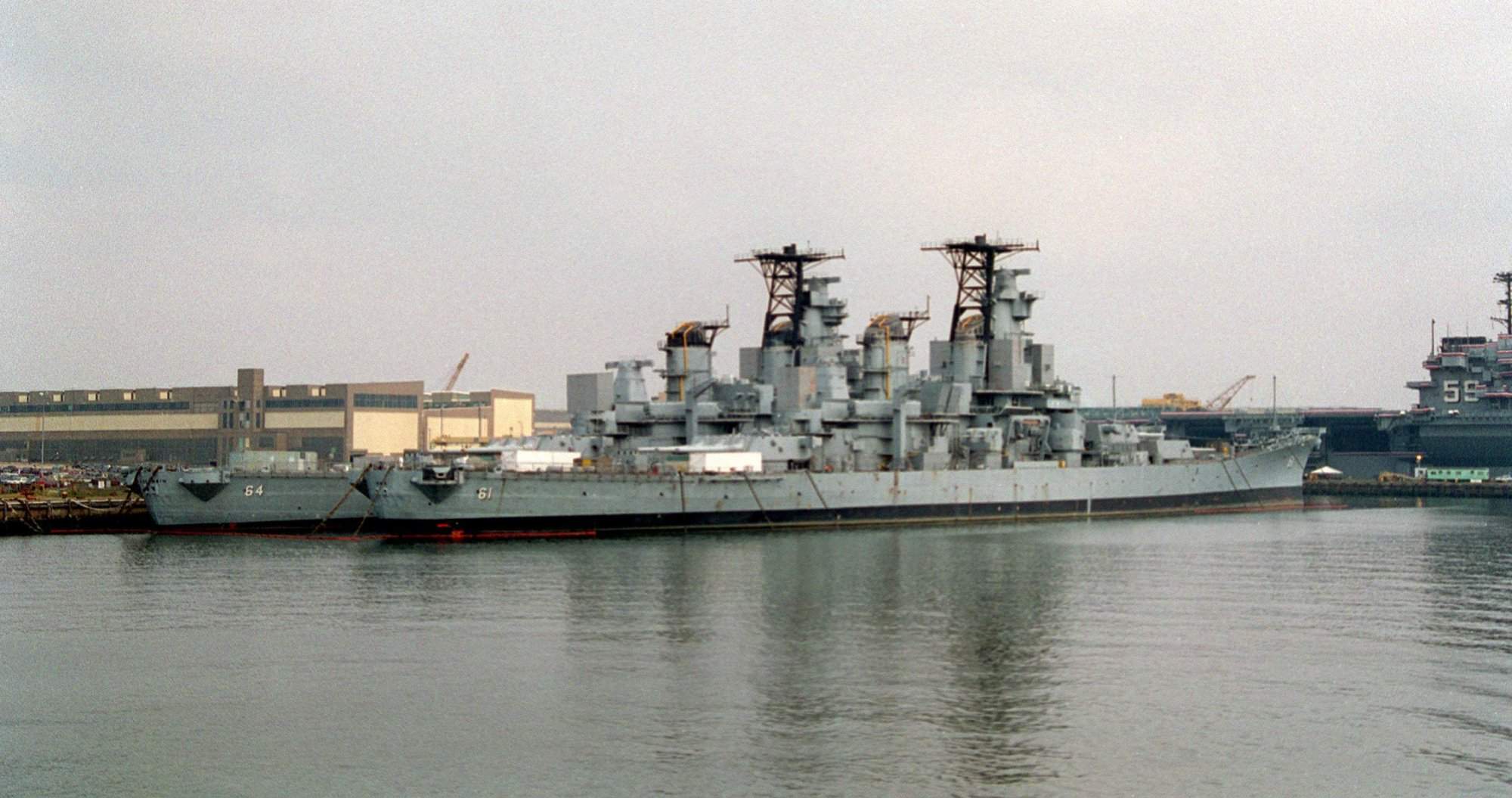
USS Iowa (BB-61) Part 8 - Preservation

Decommissioning wasn't quite the end of the story for Iowa and her sisters. The Marines wanted to retain the vessels for fire support in a future war, while most of the rest of the Navy wanted to get rid of them to avoid paying for their ongoing maintenance, and various groups wanted to turn them into museums. In 1995, all four were struck from the Naval Vessel Register,8 opening the way for them to be donated as museums. Congress was not happy with this, and in the 1996 National Defense Authorization Act directed that two of the ships be retained by the Navy. Originally, New Jersey and Wisconsin were selected to be reinstated, but pressure from groups in the state of New Jersey lead Congress to mandate that Iowa and Wisconsin be maintained, and Iowa was placed back on the NVR in 1999.9


Iowa and Wisconsin at Philadelphia Naval Shipyard, 1993

Read more...